
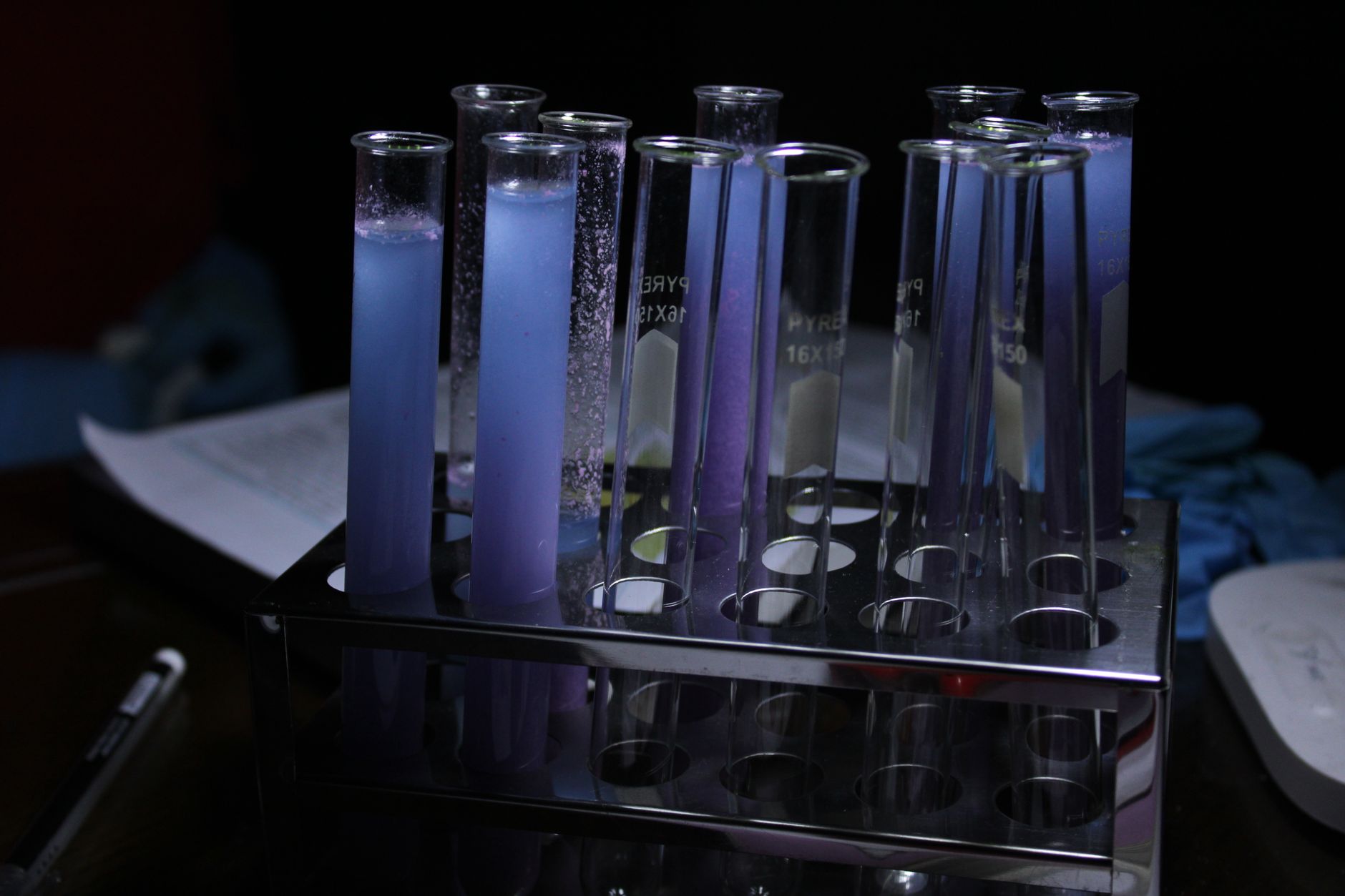
Iron-based catalysts are revolutionizing the field of Fenton-like reactions with a new strategy that significantly boosts their performance.
What Are Iron-based Catalysts?
Iron-based catalysts have emerged as a promising solution in various chemical processes, particularly in Fenton-like reactions. These catalysts utilize iron as the primary active metal, which is abundant, affordable, and environmentally friendly compared to precious metals.
The functionality of iron-based catalysts lies in their ability to activate hydrogen peroxide, generating reactive radicals that facilitate the degradation of organic pollutants. This makes them highly effective for applications in wastewater treatment and environmental remediation.
Recent advancements have enhanced the performance of these catalysts, particularly in single-atom configurations. This innovation allows for precise control over catalytic activity and selectivity, leading to improved efficiency in Fenton-like reactions.
Key benefits of iron-based catalysts include:
- Cost-effectiveness: Lower material costs compared to traditional catalysts.
- Environmental sustainability: Reduced ecological impact due to the use of non-toxic iron.
- Enhanced performance: Innovations in catalyst design achieving higher reaction rates.
Overall, iron-based catalysts represent a significant step forward in green chemistry applications.
The Importance of Fenton-like Reactions
Fenton-like reactions are critical in various environmental and industrial processes, particularly in the degradation of organic pollutants. These reactions utilize iron-based catalysts to generate reactive species that effectively break down contaminants in water and soil. The significance of these reactions lies in their efficiency and ability to operate under mild conditions, making them suitable for diverse applications.
Iron-based catalysts play a pivotal role in enhancing the efficacy of Fenton-like reactions. They facilitate the generation of hydroxyl radicals, which are powerful oxidants capable of degrading a wide range of organic materials. This characteristic not only contributes to environmental remediation but also supports sustainable practices in chemical manufacturing.
Moreover, the recent advancements in iron-based single-atom catalysts have shown promising potential in boosting the efficiencies of these reactions. This new strategy highlights the importance of iron-based catalysts in achieving more effective and environmentally friendly solutions to tackle pollution challenges.
New Strategy for Enhancing Catalysts
A recent breakthrough has introduced an innovative strategy aimed at enhancing the performance of iron-based catalysts in Fenton-like reactions. This approach focuses on optimizing the surface properties and electronic structure of the catalysts, thereby significantly improving their efficiency.
Researchers have identified several key factors that contribute to the effectiveness of these catalysts, including:
- Surface area: Increasing the surface area allows for more active sites, which facilitates greater interaction with reactants.
- Stability: Enhancing the stability of iron-based catalysts ensures a longer lifespan and better performance under harsh conditions.
- Atomically dispersed iron: Utilizing single-atom catalysts maximizes the active sites available for Fenton-like reactions.
By implementing these strategies, the research team has demonstrated a significant increase in catalytic activity, which not only enhances the efficiency of wastewater treatment processes but also opens new avenues for the application of iron-based catalysts in environmental remediation.
Impact on Environmental Applications
The development of iron-based catalysts significantly impacts environmental applications, particularly in the treatment of wastewater and the degradation of pollutants. These catalysts enable advanced oxidation processes, leading to efficient removal of organic contaminants. By enhancing Fenton-like reactions, iron-based catalysts facilitate the generation of hydroxyl radicals, which are essential for breaking down hazardous substances.
One of the primary advantages of using iron-based catalysts is their affordability and abundance compared to precious metal catalysts. This economic viability makes them an attractive option for large-scale applications in environmental remediation. Additionally, the use of these catalysts aligns with sustainable practices, as they promote greener technologies.
Recent advancements have shown that optimizing the performance of iron-based catalysts can lead to even greater efficiencies in pollutant degradation. As research continues to unveil new strategies for enhancing these catalysts, their role in environmental applications is poised to expand, offering promising solutions for tackling pollution challenges globally.
Future of Iron-based Catalysis
The future of iron-based catalysts appears promising, especially in the realm of environmental sustainability. As researchers continue to innovate, the potential applications of these catalysts are expanding rapidly.
One significant area of growth is in wastewater treatment, where Fenton-like reactions can be utilized more effectively. The enhanced efficiency of iron-based catalysts leads to:
- Increased degradation of pollutants: More effective breakdown of hazardous substances in wastewater.
- Lower operational costs: Improved catalysts reduce the amount of iron needed, making processes more economical.
- Broader applicability: These catalysts can be adapted for various environmental conditions, enhancing their versatility.
Moreover, ongoing research aims to improve the stability and reusability of iron-based catalysts, addressing concerns related to their performance over time. As the field progresses, it is likely that these advancements will play a crucial role in sustainable chemical processes and environmental remediation.
Expert Opinions on the Findings
Experts in the field of catalysis have expressed enthusiasm regarding the recent advancements in iron-based catalysts. Dr. Emily Chen, a leading researcher in environmental chemistry, emphasized the significance of the findings, stating, “The innovative approach to enhancing Fenton-like reactions can transform how we address water treatment and pollutant degradation.”
Another expert, Professor Mark Thompson, noted that “iron-based catalysts offer a cost-effective and sustainable alternative to conventional methods, making them a vital component in the quest for greener technologies.” He highlighted that the ability to boost the efficiency of these catalysts could lead to broader applications in various industries.
Furthermore, Dr. Sarah Patel remarked, “This breakthrough presents a promising avenue for future research, particularly in optimizing iron-based catalysts for more effective environmental remediation.” The consensus among experts is clear: these advancements could pave the way for innovative solutions in tackling global environmental challenges.
As the research community continues to explore this field, the potential for iron-based catalysts remains vast and encouraging.
Photo by Jahra Tasfia Reza on Pexels
References
Related stories
Iran US talks: What is the Real Reason for Denial? · WestBridge Capital: What Are the Real Reasons Behind Exits? · Anthropic IPO news: Is it the Best Move for Nvidia?







Leave a Reply