
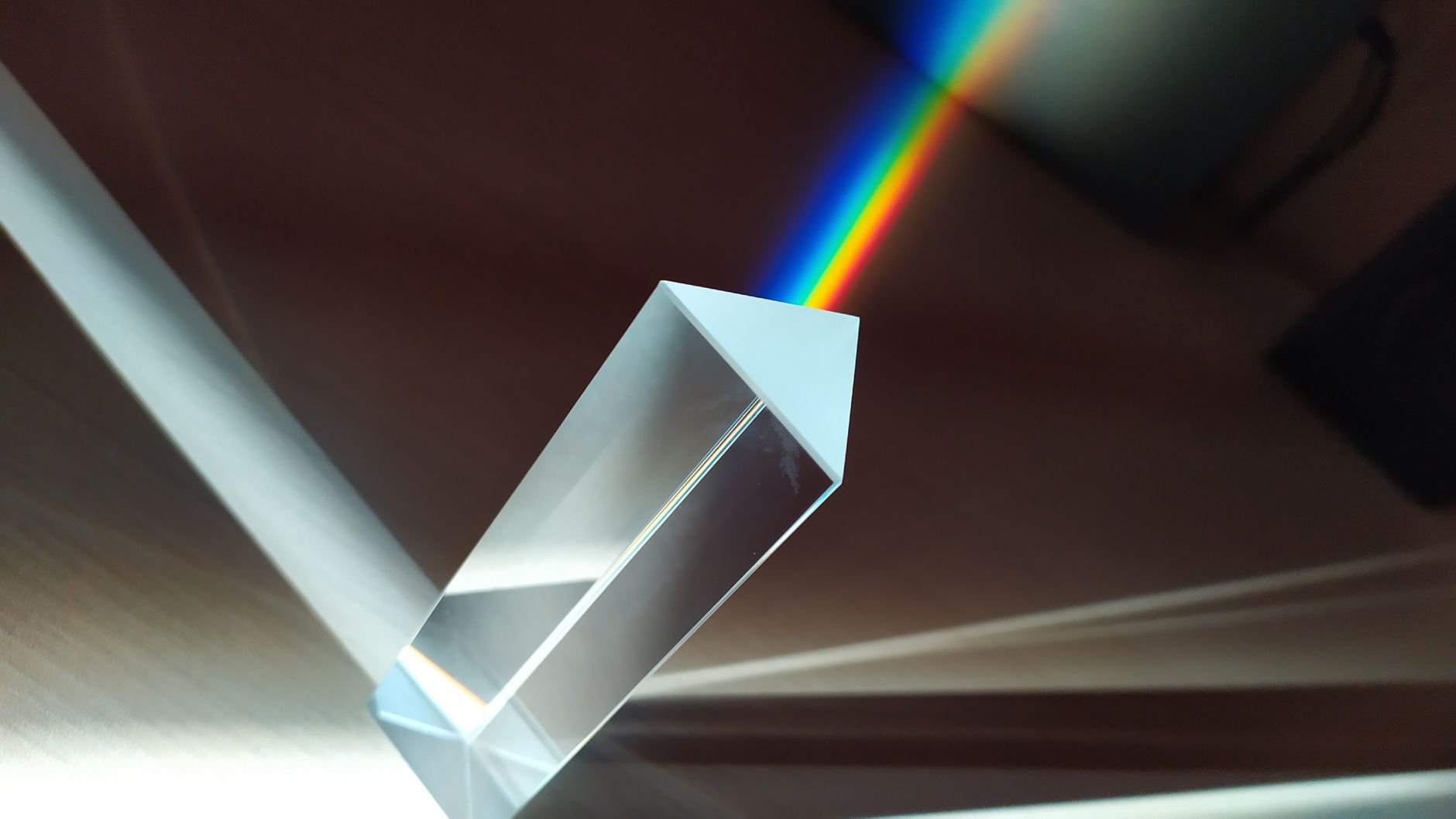
VNIR spectral interpretation is revolutionizing how we analyze data in various fields. This innovative approach leverages advanced LLM technologies to enhance accuracy and efficiency.
What is VNIR Spectral Interpretation?
VNIR spectral interpretation refers to the process of analyzing the visible and near-infrared (VNIR) spectrum to extract meaningful information about materials and their properties. This technique is widely used in various fields, including geology, agriculture, and environmental science, offering insights into the composition and health of materials.
The VNIR spectrum ranges from approximately 400 to 2500 nanometers, capturing both visible light and near-infrared wavelengths. This range is particularly useful for identifying minerals, vegetation types, and moisture content. By interpreting the spectral data, researchers can discern unique spectral signatures that correspond to different substances.
Several methods have been developed for effective VNIR spectral interpretation. These methods include:
- Reflectance Spectroscopy: This technique measures the light reflected off surfaces to determine material characteristics.
- Machine Learning Algorithms: Utilizing advanced algorithms can enhance the accuracy of spectral data analysis, enabling more precise interpretations.
- Multispectral Imaging: Capturing images across various VNIR wavelengths allows for comprehensive analysis of the target materials.
Overall, VNIR spectral interpretation is a vital tool in scientific research, facilitating the understanding of complex material properties and aiding in decision-making processes across multiple industries.
The Role of LLM in Spectral Analysis
The integration of large language models (LLMs) into VNIR spectral interpretation has revolutionized the way researchers analyze spectral data. These advanced algorithms provide significant advantages in processing and interpreting complex datasets, leading to more accurate and efficient results.
One of the key roles of LLMs in spectral analysis is their ability to handle vast amounts of data quickly. Traditional methods often require extensive manual input, which can be time-consuming and prone to human error. In contrast, LLMs can automate many aspects of the analysis process, thus allowing scientists to focus on interpreting the results rather than being bogged down by data management.
Furthermore, LLMs enhance the interpretative framework by offering predictive analytics. They can identify patterns and correlations within the data that might not be immediately apparent, facilitating a deeper understanding of the spectral characteristics being studied. This capability is particularly beneficial in applications such as environmental monitoring and agricultural assessment, where VNIR spectral interpretation is crucial.
Another significant advantage is the ability of LLMs to learn from new data continuously. As more spectral datasets become available, these models can refine their algorithms, improving their accuracy and reliability over time. This dynamic learning process makes them an invaluable tool for ongoing research in spectral analysis.
In summary, the role of LLMs in VNIR spectral interpretation is pivotal, as they enhance efficiency, accuracy, and adaptability in analyzing complex spectral data.
Best Proven Methods for VNIR Interpretation
When it comes to VNIR spectral interpretation, employing proven methods can significantly enhance the accuracy and reliability of analysis. Here are some of the best techniques utilized in the field:
- Data Preprocessing: Before analysis, raw VNIR data must be cleaned and normalized. This involves removing noise and correcting for atmospheric effects to ensure that the data accurately reflects the sample’s spectral characteristics.
- Feature Extraction: Identifying key spectral features is crucial for effective interpretation. Techniques such as Principal Component Analysis (PCA) can reduce dimensionality while retaining essential information, making it easier to analyze complex datasets.
- Machine Learning Algorithms: Incorporating machine learning techniques, including support vector machines and neural networks, can improve classification accuracy. These algorithms can learn from training datasets and make predictions on new data based on learned patterns.
- Visualization Tools: Utilizing visualization software helps in interpreting VNIR data more intuitively. Graphical representations such as scatter plots and heat maps can reveal patterns and relationships that are not immediately apparent from raw data alone.
- Expert Knowledge: Combining data-driven methods with expertise in the specific field of study enhances the interpretative process. Knowledge of the material properties and environmental factors can provide context that algorithms may overlook.
By integrating these best practices, researchers can achieve more accurate VNIR spectral interpretation and advance their analysis capabilities.
Recent Advances in Spectral Technology
Recent advances in spectral technology have significantly enhanced the capabilities of VNIR spectral interpretation. As the demand for precise and efficient analysis in various fields such as agriculture, geology, and environmental monitoring continues to grow, new methodologies and tools have emerged to meet these needs.
One notable development is the integration of artificial intelligence in spectral analysis. By utilizing machine learning algorithms, researchers can now process large datasets more efficiently, leading to improved accuracy in VNIR spectral interpretation. These algorithms can identify patterns and correlations in spectral data that were previously difficult to ascertain, allowing for more informed decision-making.
Additionally, advancements in sensor technology have resulted in the creation of high-resolution VNIR spectrometers. These instruments capture data with greater detail, enabling finer analysis of materials and substances. This technological evolution has broad applications, from monitoring crop health to detecting minerals in geological samples.
Another significant trend is the development of user-friendly software tools that simplify the spectral analysis process. These tools often incorporate visualization techniques, offering users intuitive ways to interpret complex spectral data without extensive training in spectral science.
In summary, the ongoing innovations in spectral technology are paving the way for enhanced VNIR spectral interpretation, providing researchers and professionals with powerful tools for effective analysis across various domains.
Implications for Future Research
The implications of VNIR spectral interpretation extend far beyond current analytical practices, promising significant advancements in various fields. As researchers continue to explore the capabilities of VNIR technology, several key areas are emerging as potential focal points for future investigation.
- Environmental Monitoring: Enhanced VNIR spectral interpretation techniques could improve the monitoring of vegetation health and soil composition, leading to better resource management and ecological conservation.
- Agricultural Applications: The agricultural sector stands to benefit considerably from refined VNIR analysis, enabling precision farming practices that optimize yield while minimizing environmental impact.
- Material Science: Future research could explore the use of VNIR spectral interpretation in characterizing new materials, facilitating the development of innovative products across various industries.
- Climate Change Studies: VNIR technology may play a crucial role in climate research, helping scientists track changes in land use and assess the impact of climate variations on terrestrial ecosystems.
As the integration of machine learning models, such as SpecLLM, becomes more prevalent, the potential for improved VNIR spectral interpretation will likely accelerate. This convergence of technology and analytical methods heralds a new era of research possibilities, where interdisciplinary collaboration can yield groundbreaking insights. The future of VNIR spectral interpretation is bright, with significant implications for both scientific inquiry and practical applications.
Photo by Design Bits on Pexels
References
Related reading
Delhi clear skies: Is it the best weather today? · Trump Musk: What’s the Real Truth Behind Ukraine’s Starlink Loss? · Trump Midterms Ads: The Worst Strategy for Democrats






Leave a Reply