
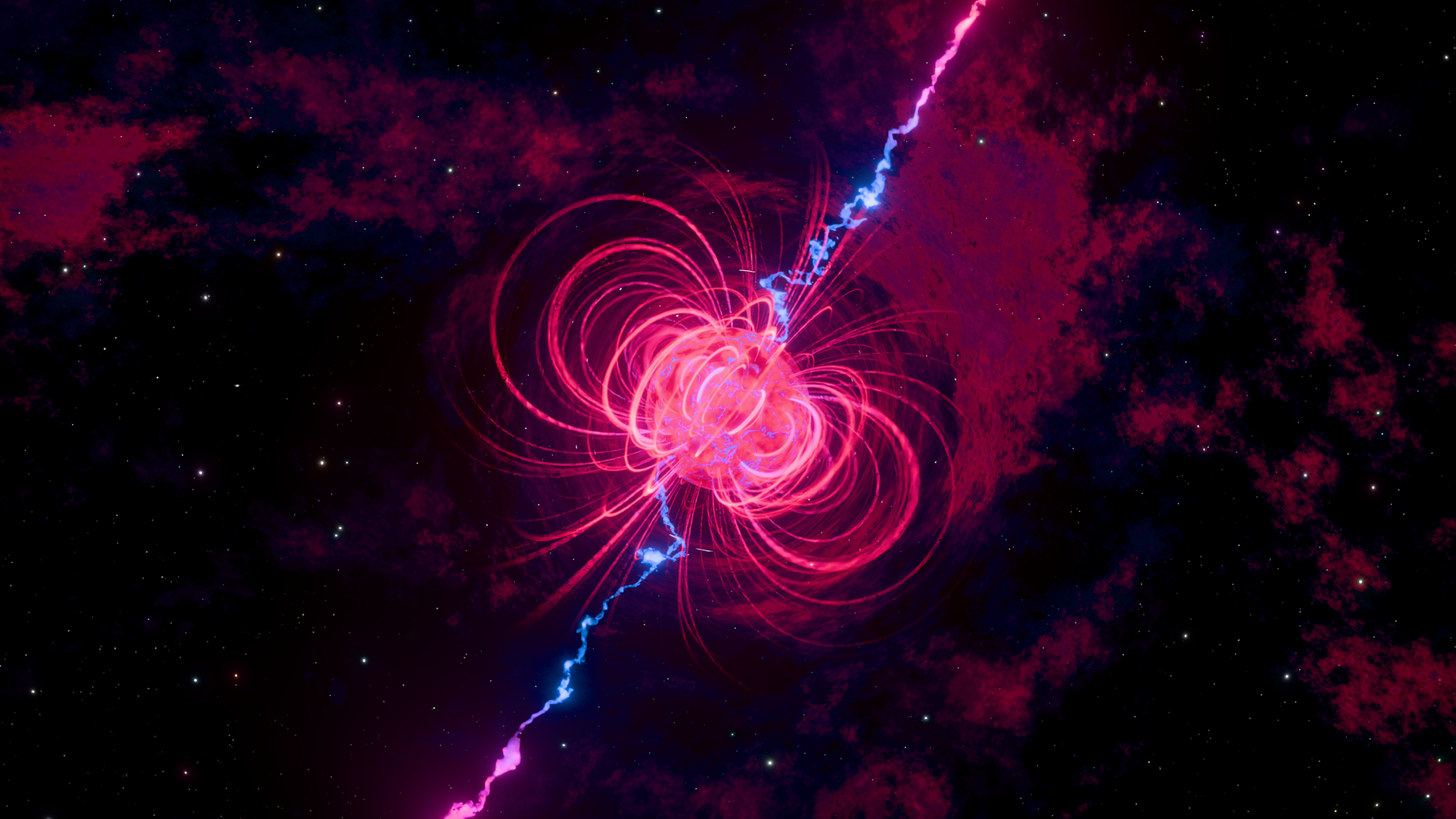
The third form of magnetism has been discovered, leading to significant advancements in the field of physics. This breakthrough has earned scientists a prestigious award, highlighting its importance and potential impact on future research.
Understanding the Third Form of Magnetism
Recent breakthroughs in physics have unveiled a previously unknown phenomenon: the third form of magnetism. This discovery, which has garnered significant attention in the scientific community, expands our understanding of magnetic properties in materials. Unlike traditional ferromagnetism and antiferromagnetism, the third form of magnetism presents unique characteristics that could revolutionize various technological applications.
Researchers have identified this new magnetic state in certain materials, where magnetic moments align in intricate patterns that differ from the conventional arrangements seen in earlier forms of magnetism. This unexpected behavior raises intriguing questions about the fundamental principles governing magnetism and its applications.
To better understand this phenomenon, scientists have conducted extensive experiments, leading to the following observations:
- Material Diversity: The third form of magnetism has been found in a variety of materials, suggesting a broader range of applications.
- Temperature Sensitivity: This magnetic state exhibits unique properties at varying temperatures, making it an area of interest for future research.
- Potential Applications: The implications of this discovery could extend to electronics, data storage, and quantum computing, potentially leading to faster and more efficient technologies.
As researchers delve deeper into the characteristics of the third form of magnetism, the excitement surrounding its potential continues to grow, promising a transformative impact on the field of physics and technology.
Impact of the Discovery on Physics
The recent discovery of the third form of magnetism has the potential to significantly reshape our understanding of physical sciences. This breakthrough opens new avenues in the field of magnetism, previously thought to be limited to only two established forms. The implications of this discovery extend beyond theoretical frameworks, presenting practical applications in various technological domains.
Researchers believe that the third form of magnetism could lead to innovations in:
- Data Storage: Enhanced magnetic materials may allow for more efficient data storage solutions, potentially revolutionizing the computer industry.
- Energy Generation: New magnetism principles may pave the way for more efficient energy generation methods, aligning with global sustainability goals.
- Quantum Computing: The understanding of this phenomenon could unlock new pathways in quantum technologies, accelerating advancements in computing power.
Moreover, this discovery has garnered significant attention, leading to accolades for the researchers involved. Winning a prestigious physics prize, they have positioned themselves as pioneers in a field that is ripe for exploration. The scientific community is now tasked with further investigating the properties and applications of this third form of magnetism, which could redefine conventional wisdom in physics.
As interest grows, the potential for collaborative research and interdisciplinary studies is immense, promising a future where the third form of magnetism plays a critical role in scientific advancement.
Recognition and Awards for Scientists
In recognition of their groundbreaking work on the third form of magnetism, the scientific community has bestowed numerous honors and awards upon the team of researchers involved in this remarkable discovery. Their innovative approach has not only expanded the understanding of magnetic phenomena but has also paved the way for future advancements in various fields of physics.
Recently, the team was awarded the prestigious Maxwell Medal, an accolade given to physicists who have made significant contributions to the field. This award highlights their dedication and perseverance in exploring uncharted territories of magnetism.
Furthermore, they were honored at the International Conference on Magnetism, where they presented their findings to a global audience, receiving acclaim from peers and leading experts. Their research has sparked interest in potential applications, ranging from quantum computing to renewable energy technologies.
Among the many accolades, the team was also nominated for the Nobel Prize in Physics, further underlining the significance of their discovery. This recognition not only honors their individual contributions but also underscores the collaborative nature of scientific research, where teamwork and innovation converge to achieve remarkable breakthroughs.
As the implications of the third form of magnetism continue to unfold, these scientists are poised to inspire a new generation of researchers eager to explore the complexities of the physical world.
Future Research Directions
The discovery of the third form of magnetism opens up numerous avenues for future research, promising to deepen our understanding of magnetic materials and their applications. Scientists are particularly interested in exploring the underlying mechanisms that govern this newly identified form of magnetism. Identifying the unique properties and behaviors associated with it could lead to significant advancements in materials science.
One potential area of investigation involves the synthesis of new materials that exhibit this third form of magnetism. Researchers aim to create compounds that can harness its unique characteristics for innovative technologies. The implications for data storage, computing, and energy applications could be revolutionary.
Another crucial direction for future research is the examination of how this form of magnetism interacts with existing magnetic phenomena. Understanding these interactions could lead to the development of hybrid materials that combine the best features of different magnetic types. This synergistic approach may yield breakthroughs in developing next-generation electronic devices.
Moreover, interdisciplinary collaborations will be essential in advancing the study of this phenomenon. Physicists, chemists, and engineers can work together to explore practical applications, such as in the field of spintronics, which utilizes the spin of electrons in addition to their charge. As research progresses, the third form of magnetism may not only reshape theoretical frameworks but also drive technological innovations that could transform industries.
Exploring Magnetic Properties Further
The discovery of a third form of magnetism has opened new avenues for understanding magnetic properties in materials. Researchers have delved deep into the unique characteristics that differentiate this form from traditional magnetism and diamagnetism. Through comprehensive studies, scientists have identified several key properties that define this novel form, including:
- Non-linear response: Unlike conventional magnetism, the third form exhibits a non-linear response to external magnetic fields, suggesting a complex internal structure.
- Temperature dependence: This new magnetic state is notably sensitive to temperature changes, which could have implications for its practical applications.
- Interaction with light: Preliminary experiments indicate that this form of magnetism can interact with light in unexpected ways, potentially leading to advancements in photonics.
By examining these properties, scientists aim to harness the potential of the third form of magnetism for innovative technologies. The implications of this discovery extend beyond theoretical physics; they promise to impact fields such as electronics, energy storage, and quantum computing.
As researchers continue to explore these magnetic properties further, the excitement surrounding this breakthrough grows. New experiments and collaborations are underway, aimed at unlocking even more secrets of this intriguing form of magnetism. The future holds the potential for transformative advancements that could reshape our understanding of materials and their applications.
Photo by Nicola Narracci on Pexels







Leave a Reply