
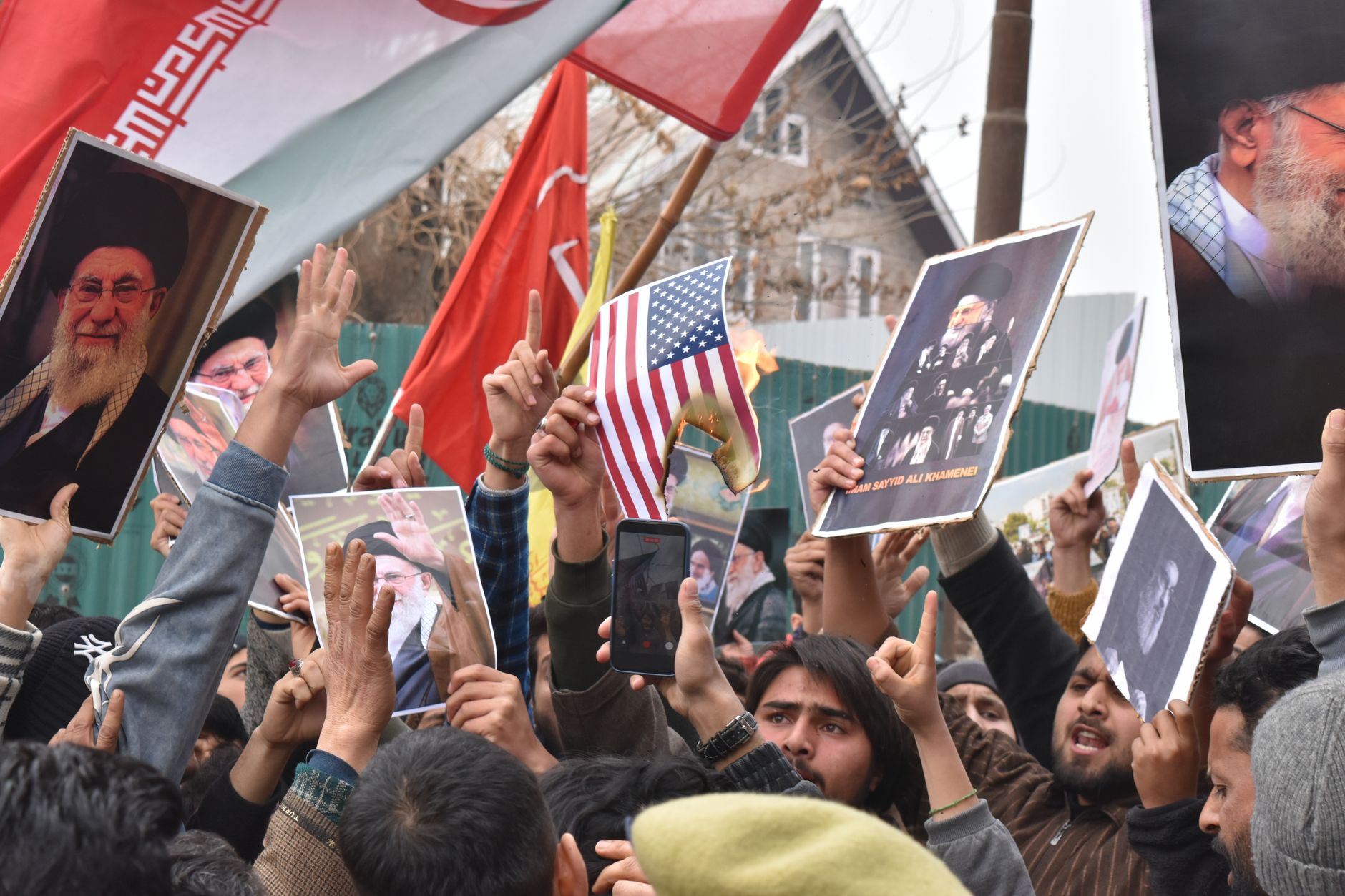
Iran US talks have been officially denied by Iranian officials, who assert that the Strait of Hormuz will stay shut until their demands are met. This development raises questions about future diplomatic relations.
Background on Iran US Relations
The relationship between Iran and the United States has been marked by tension and conflict for decades. In recent years, efforts to engage in dialogue, particularly surrounding nuclear issues and regional stability, have seen various ups and downs.
As tensions escalated, particularly following the U.S. withdrawal from the Iran nuclear deal in 2018, both nations have struggled to find common ground. Diplomatic initiatives have often been met with skepticism, leading to a series of misunderstandings.
Recently, Iran has publicly denied engaging in talks with the U.S., emphasizing that their demands must be met before any negotiations can proceed. This stance highlights the complexities of the diplomatic landscape.
Key points in the ongoing discussions include:
- The status of Iran’s nuclear program.
- Regional security concerns, particularly in the Strait of Hormuz.
- Economic sanctions imposed by the U.S. on Iran.
The insistence on closing the Strait of Hormuz until demands are met reflects Iran’s strategic leverage in the region, complicating any potential Iran US talks.
Current Situation in Hormuz
The current situation in Hormuz remains tense as Iran has firmly denied any ongoing talks with the US regarding the strategic waterway. The Strait of Hormuz, a critical chokepoint for global oil supply, has become a focal point in the ongoing geopolitical standoff. Iran’s leadership insists that the waterway will remain closed until their demands are met, complicating any potential negotiations.
Recent statements from Iranian officials emphasize their determination to maintain control over the strait, highlighting several key points:
- Economic Pressure: Iran is grappling with severe economic sanctions imposed by the US, which have significantly impacted its economy.
- Strategic Leverage: Control over Hormuz provides Iran with critical leverage in negotiations, whether with the US or other international powers.
- Military Presence: Increased military activity in the region has raised concerns among neighboring countries and global powers alike.
As the situation develops, the dynamics of Iran US talks will undoubtedly play a crucial role in determining the future of Hormuz and regional stability.
Impact on Global Oil Markets
The ongoing tension between Iran and the United States has significant implications for global oil markets. As Iran denies engaging in talks with the US, the uncertainty surrounding its oil production continues to rise. The Strait of Hormuz, a critical chokepoint for oil transportation, remains a focal point of concern.
Analysts believe that any escalation in this region could lead to major disruptions in oil supply, which would affect prices worldwide. Iran’s insistence on keeping the Strait closed until its demands are met adds to this volatility.
Several factors contribute to the potential impact on global oil markets:
- Supply Disruptions: A prolonged closure of the Strait could lead to a significant decrease in oil exports from the Gulf countries.
- Price Fluctuations: Increased uncertainty often drives oil prices higher, affecting economies around the world.
- Geopolitical Tensions: The Iran US talks, or lack thereof, play a crucial role in shaping market sentiments.
As the situation unfolds, the interconnectedness of global oil markets means that the ramifications of Iran’s decisions will be felt far beyond its borders.
Responses from International Community
Responses from the international community regarding the recent developments in Iran US talks have varied widely, reflecting differing perspectives on geopolitical stability.
Many analysts believe that Iran’s denial of any discussions with the United States signals a strong stance against external pressures. Key reactions include:
- European Union: Officials have expressed concern over the potential escalation of tensions in the region, urging both sides to engage in constructive dialogue.
- Russia: The Kremlin has voiced support for Iran, suggesting that US sanctions are counterproductive and hinder diplomatic solutions.
- China: In a recent statement, China emphasized the importance of maintaining peace in the Strait of Hormuz and called for a multilateral approach to address the underlying issues.
- United Nations: The UN has called for immediate dialogue, reiterating the need for a peaceful resolution to avoid further destabilization.
The international community remains on high alert, as the implications of stalled Iran US talks could reverberate across numerous global sectors, particularly energy markets.
Future of Iran US Diplomacy
The future of Iran-US diplomacy remains uncertain as tensions continue to escalate in the region. Recent statements from Iranian officials have indicated a firm stance against negotiations, particularly in light of ongoing conflicts in the Strait of Hormuz. The denial of talks with the US has raised eyebrows, especially when considering the broader implications for international relations.
Despite the apparent breakdown in communication, analysts suggest that underlying motivations may drive both parties to seek common ground. Key factors influencing the future of Iran-US talks include:
- Geopolitical Interests: Both nations have significant stakes in the stability of the Middle East, which may necessitate dialogue.
- Economic Considerations: The potential for sanctions relief could incentivize Iran to reconsider its position.
- Global Alliances: The involvement of other nations may pressure Iran and the US to engage in talks.
As the situation develops, the potential for future negotiations could hinge on Iran’s willingness to engage with the US, especially regarding its demands related to the Strait of Hormuz.
Analysis of Iran’s Demands
The recent denial by Iran regarding talks with the United States has left many analysts questioning the underlying reasons behind this stance. Iran’s demands appear to be a significant factor influencing its approach to negotiations. The Iranian government has consistently emphasized the need for the US to lift sanctions that have severely impacted its economy. Additionally, Iran seeks assurances regarding its nuclear program, which remains a contentious issue in bilateral relations.
Many experts believe that the insistence on fulfilling these demands reflects Iran’s desire to assert its sovereignty and enhance its bargaining position. The negotiations, or lack thereof, could be seen as a tactical maneuver to strengthen Iran’s leverage in future discussions. Furthermore, the geopolitical climate in the Middle East, particularly related to security in the Strait of Hormuz, plays a crucial role in shaping Iran’s strategy.
As the situation evolves, the focus on Iran US talks will likely intensify, with both sides needing to find common ground to address not only bilateral issues but also regional stability and security concerns.
The ongoing Iran US talks have sparked speculation about the underlying motivations behind the denial from both sides. Analysts suggest that the Iran US talks may be influenced by geopolitical strategies that extend beyond mere diplomacy.
Photo by Tawseef Ahmad on Pexels








Leave a Reply