
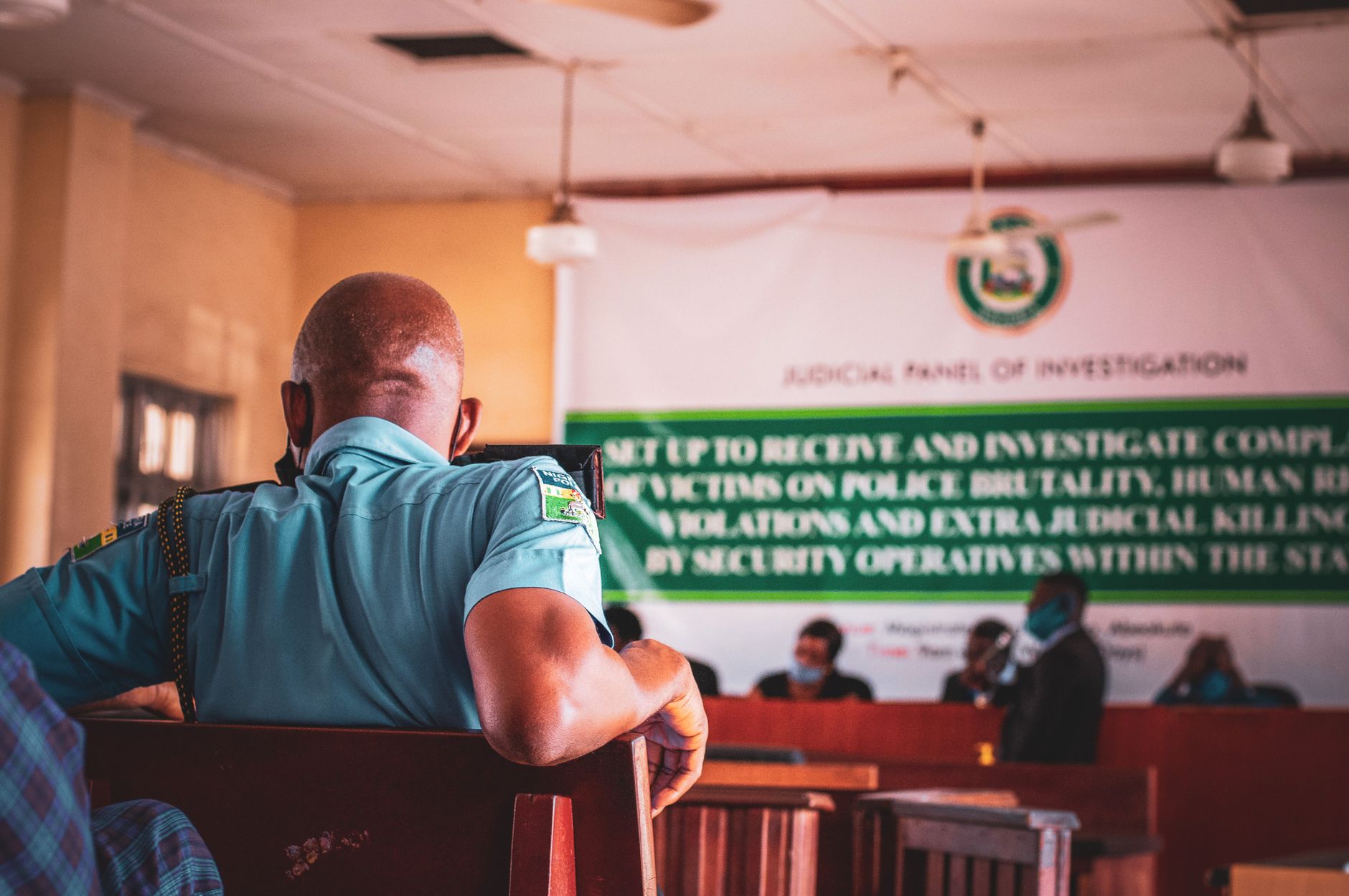
The UN Human Rights Council review is at the center of a major controversy as the US prepares to become the first nation to fully shun the process. This decision has sparked widespread debate and concern among human rights advocates.
Understanding the UN Human Rights Council
The UN Human Rights Council (UNHRC) is a vital intergovernmental body responsible for promoting and protecting human rights worldwide. Established in 2006, it aims to address human rights violations and make recommendations to member states.
One of the most critical components of the UNHRC is the Universal Periodic Review (UPR), a mechanism that assesses the human rights records of all UN member states every four years. This process fosters dialogue and encourages countries to improve their human rights practices.
However, the recent decision by the United States to completely withdraw from the UN Human Rights Council review has raised significant concerns. Critics argue that this move undermines international cooperation and sets a dangerous precedent.
Many fear that the absence of influential nations like the US could weaken the effectiveness of the council, limiting its ability to hold violators accountable and protect the rights of vulnerable populations globally.
As the situation evolves, the implications of this decision will be closely monitored by human rights advocates.
What Does Shunning the Review Mean?
The recent decision by the United States to shun the UN Human Rights Council review has raised significant concerns among human rights advocates and global observers. By opting out, the US is sending a troubling message regarding its commitment to international human rights standards.
This withdrawal may have several implications:
- International Perception: Other nations may interpret this move as a signal that the US is retreating from its leadership role in promoting human rights globally.
- Impact on Global Standards: The absence of a leading power in the review process could weaken the council’s authority and diminish efforts to uphold human rights.
- Domestic Ramifications: Critics argue that shunning the review could embolden authoritarian regimes to disregard human rights violations without fear of scrutiny.
As the implications unfold, the decision to bypass the UN Human Rights Council review could redefine the United States’ relationship with global human rights efforts.
Reactions from Human Rights Advocates
Human rights advocates have expressed their alarm over the recent announcement that the United States will fully shun the UN Human Rights Council review. Many see this decision as a significant setback for global human rights efforts.
Amnesty International condemned the move, stating, “By opting out, the US is sending a dangerous message that it does not prioritize human rights on the global stage.”
Similarly, Human Rights Watch highlighted the implications this might have, saying, “This withdrawal undermines the credibility of the UN Human Rights Council and weakens collective efforts to hold violators accountable.”
Advocates are urging the US to reconsider its stance, emphasizing that participation in the UN Human Rights Council review is crucial for fostering dialogue and improving human rights conditions worldwide. The decision has sparked widespread debate on the effectiveness and responsibility of nations in promoting human rights, raising questions about the future of international cooperation in this domain.
Historical Context of US Participation
The historical context of US participation in the UN Human Rights Council review highlights a significant shift in international engagement. Since its inception in 2006, the Council has been a platform for addressing global human rights issues, providing member states an opportunity to showcase their commitments and improvements. The United States has traditionally played a vital role in this process, advocating for human rights and holding others accountable.
However, the recent decision to fully shun the UN Human Rights Council review marks a stark departure from this approach. This change reflects broader geopolitical tensions and a growing skepticism towards multilateral institutions. Critics argue that this move undermines the US’s credibility on human rights and could embolden nations with poor human rights records.
As the first nation to withdraw completely from this essential review process, the implications of this decision may resonate far beyond the Council, affecting global human rights discourse and cooperation for years to come.
Potential Consequences for Global Relations
The decision by the US to fully shun the UN Human Rights Council review could have profound ramifications for global relations. By stepping back from this essential process, the US risks undermining its influence in international human rights discussions and may embolden other nations with questionable records.
Critics argue that this withdrawal might create a vacuum, where countries that do not prioritize human rights can assert their agendas without accountability. The potential consequences include:
- Diminished Credibility: The US may face challenges in advocating for human rights globally, as its commitment is called into question.
- Increased Tensions: Allies and partners may feel uncertain about the US’s dedication to collaborative efforts on human rights.
- Isolation: A growing divide between the US and other nations actively engaged in the review process could lead to further diplomatic isolation.
Ultimately, the implications of this decision extend far beyond the immediate context of the UN Human Rights Council review.
The Role of the UN in Human Rights
The United Nations plays a pivotal role in promoting and protecting human rights globally. Through various mechanisms, including the UN Human Rights Council review, the organization aims to hold member states accountable for their human rights records. This process encourages transparency and dialogue, allowing nations to assess their commitments to universal human rights standards.
However, the recent decision by the US to withdraw from this crucial review raises significant concerns. Critics argue that such a move undermines the UN’s authority and could set a dangerous precedent, eroding the collective efforts to address human rights violations worldwide. Without active participation, influential states risk alienating themselves and diminishing the efficacy of international human rights frameworks.
Moreover, the absence of the US in future UN Human Rights Council reviews may embolden other nations to follow suit, weakening the global response to human rights abuses and ultimately jeopardizing the very principles the UN was founded upon.
Future of Human Rights Reviews
The future of human rights reviews at the UN Human Rights Council appears increasingly uncertain in light of recent developments. With the US becoming the first nation to fully shun a UN Human Rights Council review, the implications for global human rights practices may be profound. This decision could set a precedent that encourages other nations to withdraw from their commitments to human rights accountability.
As the landscape of international relations evolves, the absence of key players in these reviews may weaken the effectiveness of the Council itself. Human rights advocates fear that without comprehensive participation, critical issues may go unaddressed, leading to further deterioration of human rights standards worldwide.
It is essential for the Council to maintain its role as a platform for dialogue and accountability. The challenge moving forward will be to reinvigorate participation and ensure that human rights reviews continue to hold nations accountable for their actions.
Photo by Tope J. Asokere on Pexels






Leave a Reply