
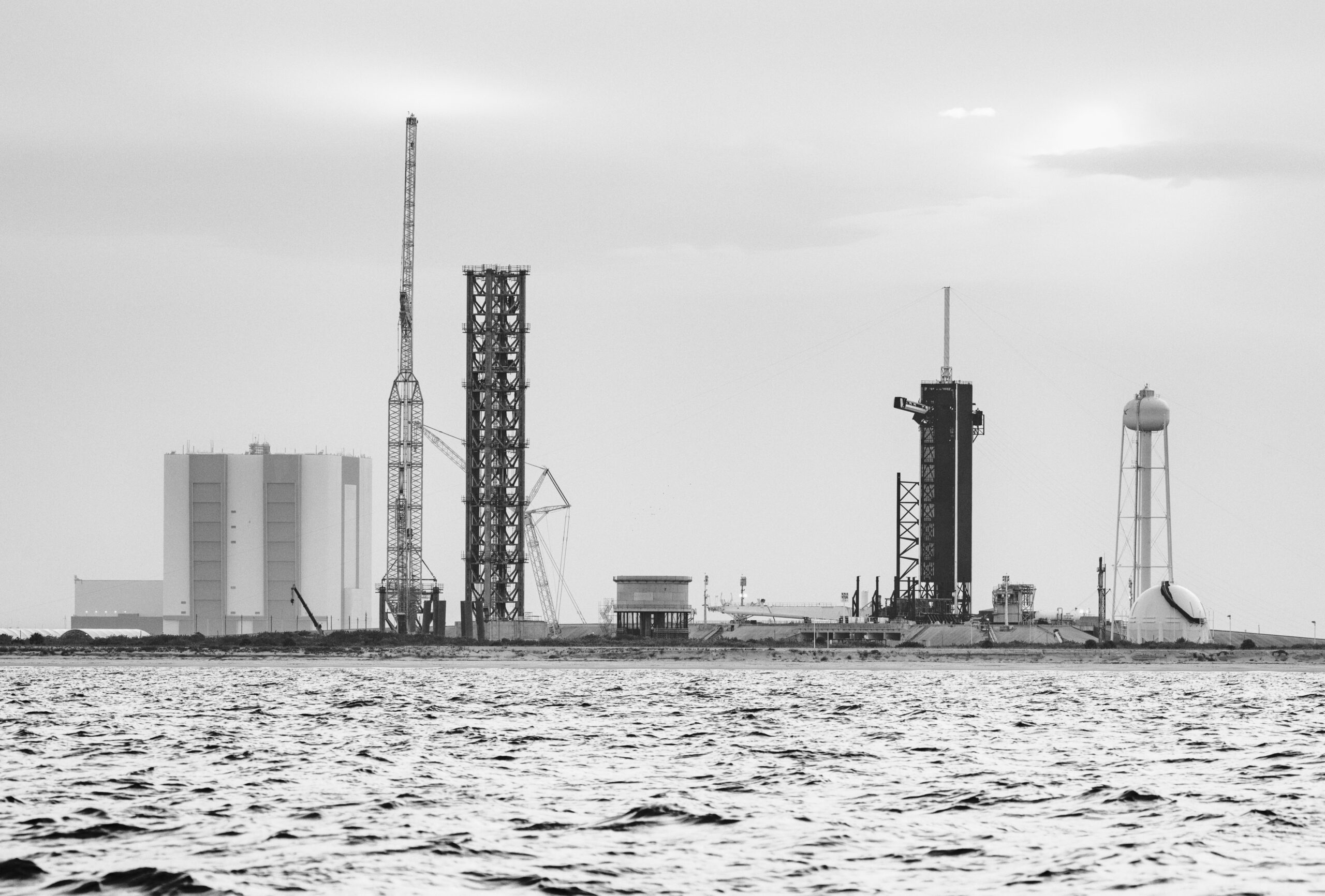
The SpaceX Starship launch marked a significant milestone as it entered orbit for the first time. However, the flight ended prematurely, raising questions about its performance.
Overview of the SpaceX Starship launch
The much-anticipated SpaceX Starship launch took place recently, marking a significant milestone in the company’s quest for interplanetary travel. This launch was notable as it was the first attempt to send the Starship into orbit, a feat that has captured the attention of space enthusiasts and experts alike.
However, the flight did not go as planned. Shortly after liftoff, the Starship experienced multiple issues that led to an early termination of the flight. Despite its advanced technology and rigorous testing, the spacecraft encountered difficulties that raised concerns about its readiness for future missions.
Key highlights from the launch include:
- The Starship was designed to be a fully reusable spacecraft, intended for missions to the Moon, Mars, and beyond.
- Initial stages of the flight showed promise, with the vehicle successfully lifting off and ascending to a considerable altitude.
- Technical complications arose during the flight, leading to a rapid descent and subsequent failure to complete its intended trajectory.
As the space community reflects on this event, questions arise regarding the implications for SpaceX’s future launches and the overall reliability of the Starship program.
Key milestones achieved during the flight
The recent SpaceX Starship launch marked a significant moment in the journey of space exploration, despite its early termination. Several key milestones were achieved during the flight, showcasing both the potential and challenges of this ambitious project.
- Successful Liftoff: The SpaceX Starship launched from the Boca Chica facility in Texas, demonstrating the capability of the rocket to lift off after years of development.
- Max Q Achievement: The vehicle reached Max Q, the moment of maximum aerodynamic pressure, indicating that it had successfully passed through the most turbulent phase of ascent.
- Stage Separation: The flight saw the successful separation of the first and second stages, a critical step that is vital for future missions to reach orbit.
- Data Collection: Throughout the flight, a wealth of data was collected, which will be invaluable for future launches and improvements to the Starship design.
- Public Engagement: The launch captured significant media attention and public interest, highlighting the excitement surrounding the SpaceX Starship launch and its implications for future space travel.
While the conclusion of the flight was not as planned, these milestones represent important progress in the development of the next generation of space vehicles.
What went wrong with the SpaceX Starship?
The recent SpaceX Starship launch encountered several critical issues that led to an early termination of the flight, raising concerns among aerospace experts and enthusiasts alike. The mission experienced multiple anomalies, which are detailed below:
- Engine failure: Shortly after liftoff, the Starship faced unexpected engine shutdowns. This malfunction drastically reduced its thrust capability, compromising the vehicle’s ascent trajectory.
- Stability issues: The craft struggled with stability, which resulted in a series of oscillations. This posed a significant risk to the structural integrity of the spacecraft during its critical early flight phase.
- Flight path deviation: As the mission progressed, the Starship deviated from its intended flight path. Ground control teams attempted to rectify this but were ultimately unsuccessful in regaining control.
- Destruction protocols: Following the failure to stabilize the flight, SpaceX had to initiate self-destruct protocols to ensure safety over populated areas.
While the SpaceX Starship launch demonstrated advancements in space technology, the setbacks highlighted the risks involved in pushing the boundaries of aerospace exploration. Investigations are underway to analyze the failures and improve future missions.
Future plans for SpaceX’s Starship
Despite the challenges faced during the recent SpaceX Starship launch, the company remains optimistic about its future plans for the spacecraft. SpaceX aims to refine its technology and learn from the setbacks encountered during the flight.
In the coming months, SpaceX will focus on several key initiatives:
- Data Analysis: Engineers will thoroughly analyze flight data to identify specific issues that led to the early termination of the mission.
- Design Improvements: Modifications will be made to enhance the Starship’s reliability and performance for future launches.
- Increased Testing: SpaceX plans to conduct a series of test flights to validate the changes and ensure the spacecraft meets safety standards.
- Collaborations: The company is likely to engage with government and commercial partners to support future missions, leveraging insights gained from the recent launch.
Elon Musk has emphasized the importance of taking risks in the pursuit of space exploration. The Starship program, despite its setbacks, represents a significant step towards achieving ambitious goals, such as crewed missions to Mars. Moving forward, SpaceX is committed to overcoming challenges and making the Starship a reliable vehicle for interplanetary travel.
Public reaction to the launch and its outcome
The recent SpaceX Starship launch has sparked a significant public reaction, with opinions divided on its outcome. Many space enthusiasts expressed excitement at the prospect of the spacecraft entering orbit, while others were quick to criticize the flight’s premature end.
Social media platforms were flooded with commentary, highlighting a mix of hope and disappointment. Some users celebrated the achievements of the launch, noting that it marked a pivotal moment in space exploration. Others, however, labeled the mission as one of the worst flights ever, citing the abrupt termination of the flight as a critical failure.
Among the reactions, several key themes emerged:
- Optimism for the future: Many fans of space exploration remain hopeful about the technology’s potential, believing that setbacks are part of the journey.
- Critical analysis: Some experts pointed out that despite the initial success, the SpaceX Starship launch did not meet all expectations, urging for improvements in future missions.
- Public disappointment: A segment of the public felt let down, questioning the safety measures and overall reliability of the spacecraft.
As the dust settles, the conversation around the SpaceX Starship launch continues, reflecting a blend of optimism and skepticism about the future of space travel.
By Charles Boyer via Openverse


Leave a Reply