
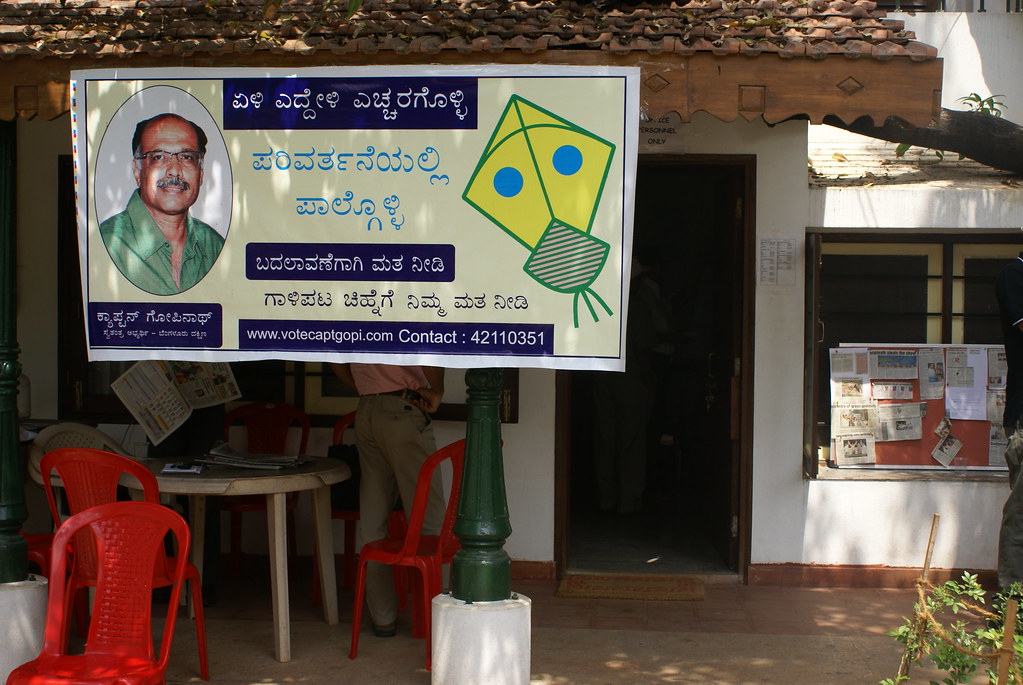
India first polls have left out a staggering number of 28L women, including Ram’s mother and Rahim’s wife. This raises critical questions about the electoral process and representation.
Overview of India’s first polls
In a historic moment for the nation, India’s first polls were held with great anticipation, yet a significant issue arose that has left many questioning the electoral process. Specifically, around 28 lakh women found themselves excluded from participation in these pivotal elections. This oversight has sparked widespread concern and debate regarding the effectiveness and inclusivity of the electoral system.
The situation is particularly poignant as personal stories emerge, such as that of Ram’s mother and Rahim’s wife, who represent many women affected by this oversight. Their exclusion raises fundamental questions about the accessibility of the voting process for women in India.
Several factors contributed to this alarming development:
- Inaccurate Voter Rolls: Many women were not listed on the electoral rolls due to outdated or incorrect information.
- Awareness Campaigns: A lack of effective outreach to inform women about the registration process has left many uninformed.
- Societal Barriers: Cultural norms and societal expectations may have discouraged women from registering or voting.
As India looks back on its first polls, it becomes clear that addressing these issues is crucial for ensuring that every voice is heard in the democratic process, particularly for women who make up a significant portion of the electorate.
Who are the excluded women?
In India’s first polls, a staggering 28 lakh women found themselves excluded from the electoral process, raising questions about the inclusivity of the democratic system. Among these women are numerous individuals from various backgrounds, each with their own story of disenfranchisement.
Key groups of excluded women include:
- Rural women: Many women in rural areas lack access to proper documentation, which is essential for voter registration.
- Marginalized communities: Women from lower socio-economic backgrounds often face barriers that prevent them from registering to vote.
- First-time voters: Young women, particularly those who have recently reached voting age, are frequently unaware of the registration process.
- Women in conflict zones: In regions affected by violence or instability, many women are unable to secure their voting rights due to safety concerns.
- Single mothers and widows: These women may lack the support systems necessary to navigate the registration process, leaving them vulnerable to exclusion.
The situation raises critical questions about the effectiveness of outreach efforts aimed at ensuring that all eligible voters, particularly women, can participate in India’s first polls. Addressing these challenges is essential for fostering an inclusive democracy.
Impact on women’s representation
The impact of India’s first polls on women’s representation has been profoundly concerning, particularly as 28 lakh women found themselves excluded from the electoral process. This exclusion not only undermines the democratic principles of inclusion and representation but also raises critical questions about the societal structures that perpetuate such disparities.
Women constitute a vital part of India’s electorate, and their absence from the polls diminishes the diversity of perspectives in governance. In many cases, these women are pivotal in their communities, yet they remain voiceless in the political arena. The reasons for their exclusion vary, encompassing:
- Lack of access to registration: Many women face barriers in registering to vote due to socio-economic constraints.
- Documentation issues: The need for specific identification documents can prevent eligible voters from casting their ballots.
- Cultural barriers: In certain regions, societal norms discourage women from participating in political processes.
- Awareness and education: A lack of awareness about the voting process can leave many women uninformed about their rights.
As India navigates its democratic journey, addressing these obstacles is essential to ensure that future elections, including the next phase of India’s first polls, fully represent the voices and needs of all citizens, particularly women.
Reasons for exclusion
The exclusion of 28 lakh women from India’s first polls raises significant concerns regarding the electoral process and the underlying reasons for this disenfranchisement. Several factors contributed to this troubling situation.
- Lack of Awareness: Many women were not informed about the voting process, leading to a significant number not registering to vote. Cultural and societal norms often restrict women’s access to information.
- Documentation Issues: Inadequate documentation and discrepancies in identity proofs prevented women from being eligible to vote. This was particularly evident in rural areas where literacy rates are lower.
- Social Barriers: Traditional gender roles and societal pressures often deter women from participating in political activities. In many communities, the mindset persists that politics is a male-dominated sphere.
- Logistical Challenges: The lack of accessible polling stations and transportation made it difficult for women, especially those from marginalized backgrounds, to reach voting venues.
- Political Apathy: A general disinterest in women’s issues among political parties resulted in inadequate outreach efforts to encourage female participation in the polls.
The reality of these factors underscores the urgent need for reforms to ensure that all eligible voters, particularly women, are empowered to participate in future elections, including India’s first polls.
Public reaction to the news
The announcement of India’s first polls has sparked widespread public reaction, particularly concerning the exclusion of 28 lakh women from the electoral process. Many citizens have expressed outrage over this significant oversight, questioning how such a large number of women could be left off the voter list.
Social media has become a platform for individuals to voice their concerns, with hashtags like #WomenDeserveToVote trending across various platforms. Many users shared personal stories, highlighting that women like Ram’s mother and Rahim’s wife represent not just their families, but the broader struggle for women’s rights and representation in India.
Community leaders and activists have also chimed in, emphasizing that this situation is not merely a bureaucratic error but a reflection of deeper systemic issues. The sentiment is clear: many believe that the exclusion of women from India’s first polls undermines democratic principles and perpetuates gender inequality.
In response, rallies and discussions are being organized in various parts of the country, aiming to bring attention to this critical issue. As the public continues to react, the demand for accountability and a thorough investigation into the exclusion of these women grows stronger, highlighting the urgent need for reforms in the electoral process.
Government response to concerns
The government’s response to the concerns raised about the exclusion of 28 lakh women from India’s first polls has been met with mixed reactions. Officials have acknowledged the issue but emphasized that the electoral process was conducted in accordance with established guidelines.
In a recent statement, a senior government official remarked, “We are committed to ensuring that all eligible voters are able to participate in the electoral process. The exclusion of any group, especially women, is regrettable.” However, many believe that the measures taken were inadequate to address the underlying issues that led to such a significant number of women being disenfranchised.
Some of the key points raised by the government include:
- Verification Process: Officials pointed out that the verification process was designed to ensure only eligible voters were included in the electoral rolls.
- Awareness Campaigns: The government has initiated campaigns to educate citizens about the registration process, although critics argue these efforts came too late.
- Commitment to Inclusivity: The government has reiterated its commitment to enhancing women’s representation in politics but has yet to provide a concrete plan for rectifying the current situation.
As the nation grapples with the fallout from India’s first polls, many are left questioning the effectiveness of government initiatives to protect the rights of female voters.
Future implications for elections
The exclusion of 28 lakh women from India’s first polls raises significant concerns about future elections and the representation of women in the political landscape. As the country moves forward, the implications of this event could resonate deeply within the democratic framework.
Firstly, the lack of representation could discourage women’s participation in future electoral processes. If women feel their voices are not valued or acknowledged, they may disengage from politics altogether. This could lead to a vicious cycle where the absence of female representation breeds further exclusion.
Moreover, the situation calls for a reevaluation of the electoral mechanisms in place. A more inclusive approach is essential to ensure that all eligible voters, especially marginalized groups, are accounted for in future polls. This might involve reforms in voter registration processes or enhanced outreach programs to educate women about their rights and the importance of their participation.
Additionally, political parties must recognize the vital role that women play in shaping policies and governance. Ensuring their representation can lead to more comprehensive discussions on issues that affect society as a whole.
In conclusion, the exclusion of 28 lakh women from India’s first polls not only highlights current deficiencies but also serves as a critical reminder of the need for systemic changes to foster an inclusive democracy.
Conclusion on electoral fairness
The recent analysis of India’s first polls reveals significant challenges regarding electoral fairness, particularly concerning the exclusion of 28 lakh women from the voting process. This alarming statistic casts a shadow over the democratic ideals that the country aims to uphold. Many of these women, including notable figures such as Ram’s mother and Rahim’s wife, represent a demographic that has historically faced barriers to participation in political processes.
Numerous factors contributed to this exclusion, ranging from bureaucratic oversights to systemic issues within the electoral framework. As highlighted in previous sections, these obstacles not only diminish women’s representation but also undermine the integrity of the electoral system itself. The public’s reaction has been one of outrage, with many citizens calling for immediate reforms to ensure that all eligible voters, regardless of gender, have the opportunity to participate in elections.
The government’s response has been tepid, with assurances of reviewing the situation but lacking concrete plans for action. As future implications of these first polls unfold, it is clear that addressing the exclusion of women is not just a matter of fairness but a crucial step toward realizing a truly inclusive democracy. Without such measures, the foundational principles of electoral fairness in India remain at risk, and the voices of millions continue to be silenced.
The India first polls aimed to empower women, but many faced significant barriers. As a result, 28L women found themselves sidelined in the electoral process during the India first polls.
By Al Jazeera English via Openverse
Where this came from
Related reading
Gemini 3.5 Transcribe: The Best Proven Tool for Accuracy · Julius Casino login : tout ce qu’il faut savoir · Joka Casino : guide complet de connexion, bonus et méthodes de paiement en France



Leave a Reply