
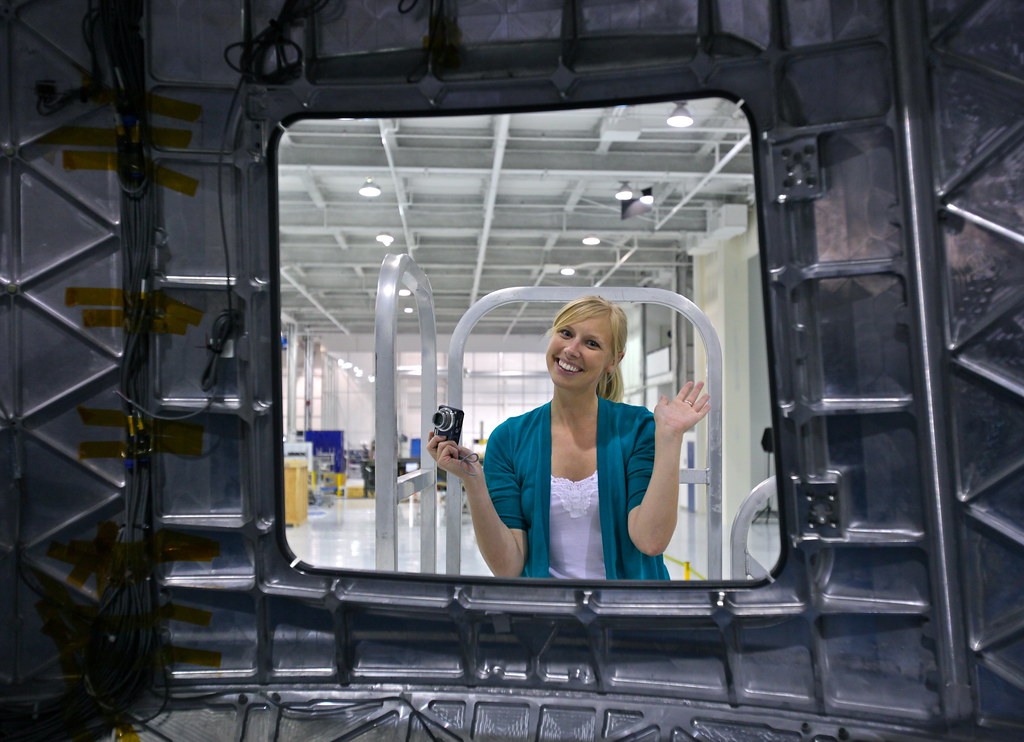
The crewd mission launch is generating buzz as NASA and SpaceX prepare for their next journey to the International Space Station. This mission promises to be a significant step in space exploration.
What to Know About the Crewed Mission Launch
The upcoming crewed mission launch marks a significant milestone in space exploration, as NASA and SpaceX collaborate to send astronauts to the International Space Station (ISS). This mission is set to enhance our understanding of life in space and pave the way for future explorations beyond Earth.
Here are key details to know:
- Date and Time: The launch is scheduled for a specific date, with live coverage available for enthusiasts.
- Astronauts on Board: This mission features a diverse crew of experienced astronauts who will conduct important experiments aboard the ISS.
- Mission Objectives: The crew will focus on scientific research that could lead to advancements in technology and medicine.
- Significance: This crewed mission launch represents a step forward in international collaboration in space exploration.
With excitement building, this mission promises to be a remarkable adventure for both the astronauts and the global audience watching from Earth.
NASA and SpaceX Collaboration Details
The upcoming crewed mission launch represents a significant milestone in the collaborative efforts between NASA and SpaceX. Both organizations have been working closely to ensure a safe and efficient journey to the International Space Station (ISS).
Key details of the collaboration include:
- Launch Vehicle: SpaceX’s Falcon 9 rocket will be utilized for this mission, showcasing its reliability and proven track record.
- Crew Composition: The mission will feature a diverse crew of astronauts, representing various expertise and backgrounds.
- Duration: The crew is expected to spend several months aboard the ISS, conducting important scientific research and experiments.
- Safety Protocols: NASA and SpaceX have implemented rigorous safety measures to ensure the well-being of the astronauts during the launch and mission.
This crewed mission launch not only advances scientific understanding but also strengthens partnerships in space exploration.
Upcoming Launch Schedule and Expectations
As the excitement builds for the upcoming crewed mission launch, space enthusiasts and professionals alike are eagerly anticipating the detailed schedule and expectations set by NASA and SpaceX. The next launch is slated for November 2023, with preparations already underway to ensure a smooth trajectory to the International Space Station (ISS).
This mission will mark a significant milestone in human space exploration, showcasing collaborative efforts between private and public entities. Key aspects to watch include:
- Launch Window: The specific time and date for the crewed mission launch are crucial for mission success.
- Crew Selection: The astronauts chosen for this mission bring diverse expertise and experience.
- Mission Objectives: Goals include scientific experiments and advancements in technology.
The anticipation surrounding this crewed mission launch is palpable, promising an adventure that could redefine our understanding of space exploration.
How the Crewed Mission Launch Affects Space Research
The crewed mission launch plays a pivotal role in advancing space research, providing invaluable data and insights that inform future explorations. By sending astronauts to the International Space Station (ISS), researchers can conduct experiments in microgravity, which is impossible to replicate on Earth.
These missions contribute to several fields, including:
- Biology: Studying the effects of long-term space travel on human health and biology helps develop countermeasures for future deep-space missions.
- Materials Science: Understanding how materials behave in space can lead to innovations in technology and engineering.
- Astronomy: Observations from the ISS provide unique perspectives that enhance our understanding of the universe.
As partnerships like that of NASA and SpaceX evolve, the impact of crewed missions on scientific discovery will only grow, paving the way for new frontiers in space exploration.
Safety Measures for Astronauts on the Mission
As preparations intensify for the crewed mission launch, safety measures for astronauts remain a top priority. NASA and SpaceX have implemented a range of protocols designed to protect the crew during their journey to the International Space Station.
Key safety measures include:
- Comprehensive Training: Astronauts undergo extensive training simulations to prepare for various emergency scenarios.
- Robust Spacecraft Design: The Crew Dragon spacecraft features advanced systems to ensure safe launch, landing, and in-flight operations.
- Real-time Monitoring: During the mission, a team of experts will monitor the spacecraft’s systems and the astronauts’ health from the ground.
- Emergency Procedures: Clear protocols are established for potential emergencies, ensuring that astronauts know how to respond swiftly and effectively.
These measures reflect a commitment to crew safety and confidence in the upcoming crewed mission launch.
What Previous Missions Can Teach Us
Previous crewed missions have laid the groundwork for understanding the complexities and challenges of human spaceflight. Each mission offers valuable insights that can enhance future endeavors, including the upcoming crewed mission launch.
Key lessons learned from earlier expeditions include:
- Life Support Systems: The importance of reliable life support systems has been underscored by past missions, ensuring astronauts can thrive in space for extended periods.
- Psychological Preparedness: The mental well-being of crew members is crucial; past missions have highlighted the need for psychological support and team cohesion.
- Technical Failures: Understanding how to manage unexpected technical failures has been a focal point, emphasizing the need for robust training and contingency plans.
As we look forward to the next crewed mission launch, these insights will be instrumental in shaping the success of future space adventures.
By jurvetson via Openverse
References
Related reading
Education System Realignment: Proven Steps for Change · Are Vidyasagar’s Books Worth Buying for Libraries? · End of Anti-ISIS Operation Marks a Significant Change

Leave a Reply