
HIV care providers are facing a critical shortage of medicine as funding cuts impact their ability to deliver essential treatments. The situation is dire and requires immediate attention to ensure patient care continues uninterrupted.
Impact of Funding Cuts on HIV Care
The ongoing medicine shortage crisis has been exacerbated by significant funding cuts to HIV care providers, which have severely limited their ability to secure essential medications. This precarious situation is not only impacting the providers but also the thousands of patients who rely on these treatments for their health and well-being.
With reduced financial support, many HIV care providers are struggling to maintain their supply chains. The cuts have led to:
- Increased Prices: Providers are facing skyrocketing costs for medications, making it nearly impossible to stock adequate supplies.
- Disruption in Services: Some facilities have been forced to limit their services or, in extreme cases, close their doors to new patients.
- Patient Impact: A lack of access to necessary treatments can lead to worsening health outcomes for those living with HIV.
As a result, HIV care providers are left in a precarious position, trying to navigate a healthcare landscape that is increasingly hostile due to funding reductions. The ripple effects of these cuts extend beyond the clinics, threatening the overall progress made in the fight against HIV.
Current State of Medicine Availability
The current state of medicine availability for HIV care providers is alarming. Many are facing unprecedented shortages that threaten the well-being of their patients. A combination of factors has led to this crisis, with funding cuts significantly impacting the supply chain.
According to recent reports, the following issues have emerged:
- Reduced Supply from Manufacturers: Many pharmaceutical companies have curtailed production due to decreased funding for HIV programs.
- Increased Demand: As awareness of HIV and testing increases, the demand for treatment has surged, outpacing current supplies.
- Global Supply Chain Disruptions: Ongoing global crises have affected the distribution of essential medications, further complicating access for HIV care providers.
- Impact on Patient Care: Without sufficient medications, patients are at risk of treatment interruptions, which could lead to drug resistance and increased morbidity.
As the situation worsens, HIV care providers are calling for immediate action to restore funding and stabilize the supply of crucial medications. The health outcomes for individuals living with HIV hang in the balance as these issues remain unresolved.
Responses from Healthcare Providers
Responses from healthcare providers have been swift and resolute in the face of the ongoing medicine shortage crisis affecting HIV care. Many providers emphasize the urgent need for increased funding and resources to ensure that patients receive the necessary treatments. The situation has left some care facilities struggling to maintain their supply of essential medications.
In light of the severe implications for their patients, healthcare providers have outlined several key priorities:
- Advocacy for Increased Funding: Many are calling for a restoration of foreign aid that has been cut, which directly impacts their ability to procure vital medications.
- Collaboration with Nonprofits: Providers are partnering with nonprofit organizations to source medications and support services for their patients.
- Patient Education: Ensuring that patients are informed about alternative treatment options and support systems available during this crisis is paramount.
- Community Outreach: Engaging with local communities to raise awareness about the challenges faced by HIV care providers and mobilizing support.
HIV care providers remain committed to finding solutions, but they emphasize that without adequate resources, the health and well-being of their patients are at risk.
Patient Stories and Experiences
As the medicine shortage crisis continues, patients are increasingly sharing their struggles with accessing essential treatments. Many have expressed frustration and fear about what the lack of available medications means for their health and well-being.
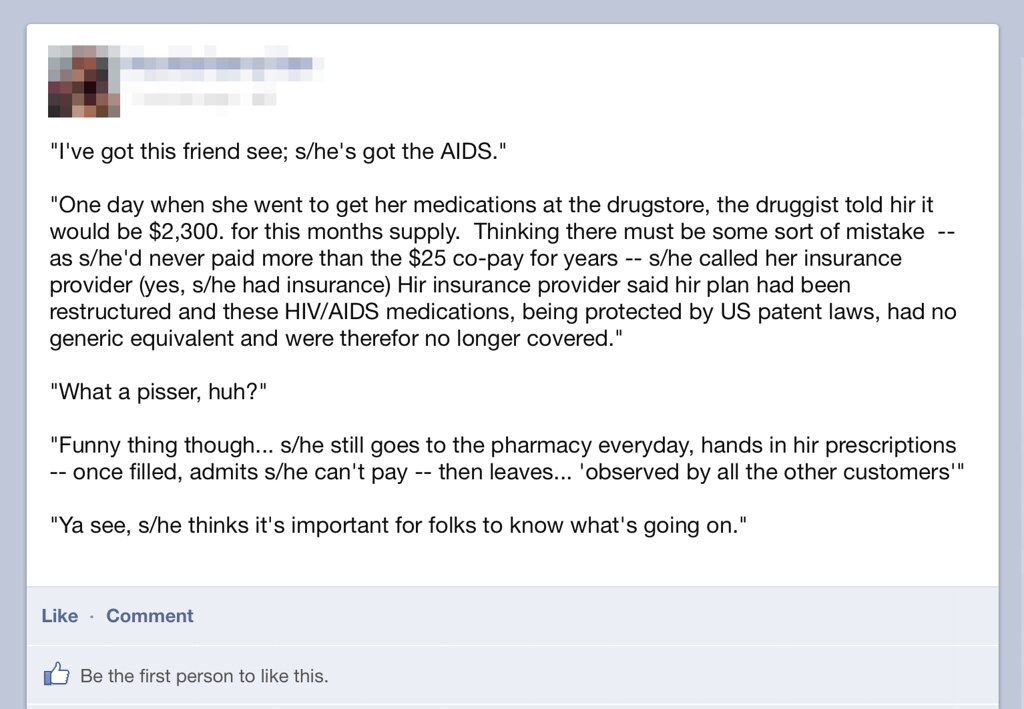
One patient, Maria, has been living with HIV for over a decade. She recounted her recent experience of visiting multiple pharmacies only to find that her prescribed medication was out of stock. “I felt hopeless and scared,” she said. “Without my medication, I won’t be able to manage my condition.”
Another individual, James, who has been receiving care from HIV care providers for years, shared that he has noticed a significant change in the availability of his treatments. “It’s disheartening to see how quickly things have changed,” he remarked. “My doctors and nurses are doing their best, but they are clearly frustrated by the shortages.”
Patients have also expressed concern about the long-term effects of missing doses. Many fear that interruptions in their treatment could lead to increased viral loads and further health complications.
These personal stories underline the urgent need for solutions as the crisis unfolds, affecting not just the providers, but the very lives of those they serve.
Future Outlook for HIV Treatment
The future outlook for HIV treatment appears increasingly precarious as HIV care providers grapple with the consequences of ongoing medicine shortages. With funding cuts impacting the availability of essential medications, experts warn that the situation could worsen if immediate action is not taken.
Healthcare professionals express concern over the long-term implications of these shortages, particularly for vulnerable populations. The dwindling supply of antiretroviral therapy (ART) could lead to higher rates of treatment interruption, which may result in increased viral loads and resistance to existing medications. This not only affects individual patients but could potentially jeopardize public health efforts aimed at controlling the spread of HIV.
In light of these challenges, HIV care providers are urging policymakers to prioritize funding for HIV treatment programs. They emphasize the need for innovative solutions, such as partnerships with pharmaceutical companies to ensure a steady supply of necessary drugs. Additionally, education and outreach efforts are vital to address the stigma surrounding HIV, which can deter individuals from seeking care.
As the landscape of HIV treatment continues to evolve, the commitment and resilience of HIV care providers will play a crucial role in navigating this crisis and ensuring that patients receive the care they need.
By See-ming Lee (SML) via Openverse



Leave a Reply