
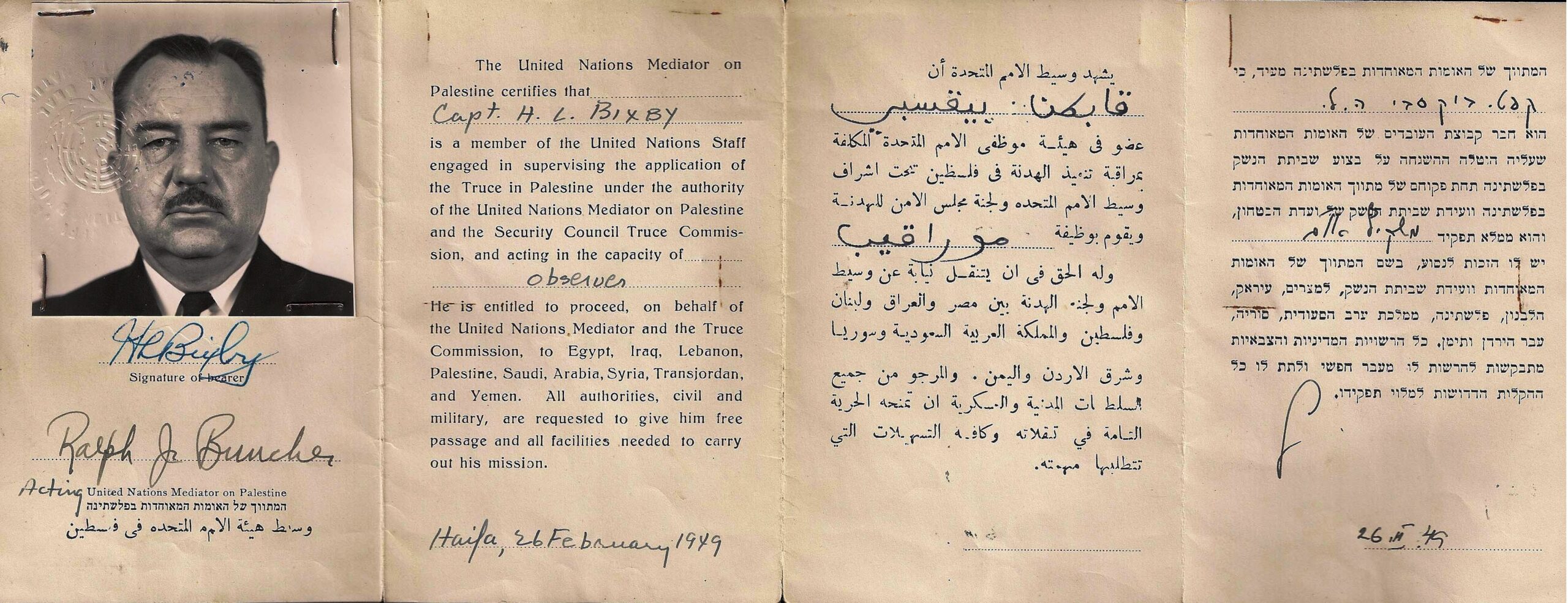
The Israel-Palestine conflict is a deeply rooted issue that has shaped the Middle East for decades. Understanding its origins is crucial for comprehending the ongoing tensions.
Historical Overview of the Conflict
The Israel-Palestine conflict has deep historical roots that date back to ancient times. The region, often referred to as the ‘Promised Land,’ has been a site of contention for centuries, influenced by various empires and religions.
In the late 19th century, the rise of nationalist movements saw an increase in Jewish immigration to Palestine, driven by the desire for a homeland following centuries of persecution. This period marked the beginning of tensions between Jewish settlers and the Arab population, who also claimed the land as their own.
Key events that escalated the conflict include:
- The Balfour Declaration (1917): This British statement supported the establishment of a ‘national home for the Jewish people’ in Palestine.
- The UN Partition Plan (1947): A proposal to divide Palestine into separate Jewish and Arab states, leading to further unrest.
- The 1948 Arab-Israeli War: Following the declaration of the State of Israel, neighboring Arab nations invaded, resulting in significant territorial changes and the displacement of many Palestinians.
These historical events set the stage for the enduring and complex Israel-Palestine conflict that continues to affect the region today.
Key Events Leading to October 7
As tensions escalated in the region, several key events shaped the landscape of the Israel-Palestine conflict leading up to October 7. These pivotal moments contributed to a long-standing narrative filled with both hope and despair.
- 1948 Arab-Israeli War: Following the declaration of the State of Israel, neighboring Arab nations invaded, resulting in significant territorial changes and the displacement of hundreds of thousands of Palestinians.
- Six-Day War (1967): Israel captured the West Bank, Gaza Strip, and East Jerusalem, further complicating the political situation and intensifying hostilities.
- Oslo Accords (1993): This attempt at peace brought mutual recognition between Israel and the Palestine Liberation Organization, but the agreements fell short of resolving core issues, including borders and the status of Jerusalem.
- Second Intifada (2000-2005): A wave of violence erupted, leading to significant casualties on both sides and deepening animosities.
- Gaza Conflict (2008-present): Repeated clashes between Israel and Hamas have left many dead and exacerbated the humanitarian crisis in Gaza.
These events form a complex backdrop to the ongoing struggles, with each contributing to the ongoing Israel-Palestine conflict that remains unresolved to this day.
Impact on Regional Stability
The Israel-Palestine conflict has far-reaching implications for regional stability, influencing both neighboring countries and global geopolitics. The ongoing tensions and violence have created an environment of uncertainty, affecting political alliances and economic conditions in the Middle East.
Several factors contribute to the instability:
- Military Presence: The conflict has led to significant military buildup in the region, with countries supporting various factions, which increases the risk of wider confrontations.
- Refugee Crisis: The conflict has resulted in millions of Palestinians living as refugees, causing humanitarian challenges and straining resources in host countries such as Lebanon and Jordan.
- Political Polarization: Regional powers often take sides, exacerbating divisions and leading to proxy conflicts that threaten to destabilize the entire area.
- Economic Disparities: The ongoing violence hampers economic development, breeding discontent and creating a fertile ground for extremist ideologies.
In essence, the Israel-Palestine conflict continues to be a critical factor in shaping the future of regional stability and security.
Perspectives from Both Sides
The Israel-Palestine conflict is characterized by deeply rooted perspectives from both sides, which often shape the narrative surrounding the region. Each group possesses a distinct historical and cultural connection to the land, leading to varying interpretations of rights and claims.
On one side, many Israelis view the land as a fulfillment of biblical prophecy, a historical homeland where they seek security and self-determination after centuries of persecution. For them, the establishment of Israel in 1948 marked the realization of a long-held aspiration, emphasizing the need for a safe haven in light of past traumas.
Conversely, Palestinians perceive their connection to the land as equally profound, viewing the establishment of Israel as a catastrophe, known as Nakba, which resulted in the displacement of hundreds of thousands of their people. They advocate for their right to self-determination and statehood, emphasizing the ongoing struggles faced under occupation.
- Israeli Perspective: Security and historical connection to the land.
- Palestinian Perspective: Displacement and the quest for statehood.
These perspectives continue to fuel the ongoing tensions in the Israel-Palestine conflict.
Current Situation and Future Outlook
The current situation in the Israel-Palestine conflict remains tense and complex, with both sides entrenched in their positions. Following the escalation of violence on October 7, there has been a renewed focus on peace initiatives, yet significant challenges persist.
Efforts to broker a lasting resolution have faced numerous obstacles, including:
- Political Divisions: Internal divisions among Palestinian factions complicate negotiations, while Israeli politics also influence peace efforts.
- Military Engagements: Frequent clashes and military operations exacerbate distrust and hinder dialogue between the two parties.
- Humanitarian Crisis: The ongoing humanitarian situation in Gaza has drawn international attention and calls for urgent intervention.
Looking ahead, the future outlook of the Israel-Palestine conflict remains uncertain. Diplomatic efforts continue, but the path to peace is fraught with difficulties. Many analysts argue that without a significant shift in policy from both sides, a sustainable resolution may remain elusive.
As the situation evolves, the global community watches closely, hoping for a breakthrough that could lead to a more peaceful coexistence in the region.
International Responses to the Conflict
As the Israel-Palestine conflict continues to evolve, international responses have varied significantly, reflecting a complex web of political interests and humanitarian concerns.
Countries around the world have taken diverse stances, often influenced by historical ties and geopolitical strategies. Some nations have expressed strong support for Israel, emphasizing its right to defend itself against attacks. Others have shown solidarity with the Palestinian cause, advocating for their rights and the establishment of an independent state.
Key responses include:
- The United States: Traditionally a steadfast ally of Israel, the U.S. has provided military aid and diplomatic support, while also urging for ceasefires and negotiation talks.
- The European Union: The EU has attempted to mediate peace efforts, often calling for a two-state solution and condemning violence from both sides.
- Arab Nations: Many Arab countries have rallied for Palestinian rights, with some engaging in normalization efforts with Israel, complicating regional dynamics.
These international reactions highlight the multifaceted nature of the Israel-Palestine conflict and the global stakes involved.
By Huddyhuddy via Openverse
Where this came from
The Times of India · Israel-Palestine conflict
You might also like
Intervene in Family Finances: Smart Tips for Navigating Conflict · Sony party speakers: Are they the best choice for festivities? · Trump Federal Government Reimbursement: The Worst Decision Yet






Leave a Reply