

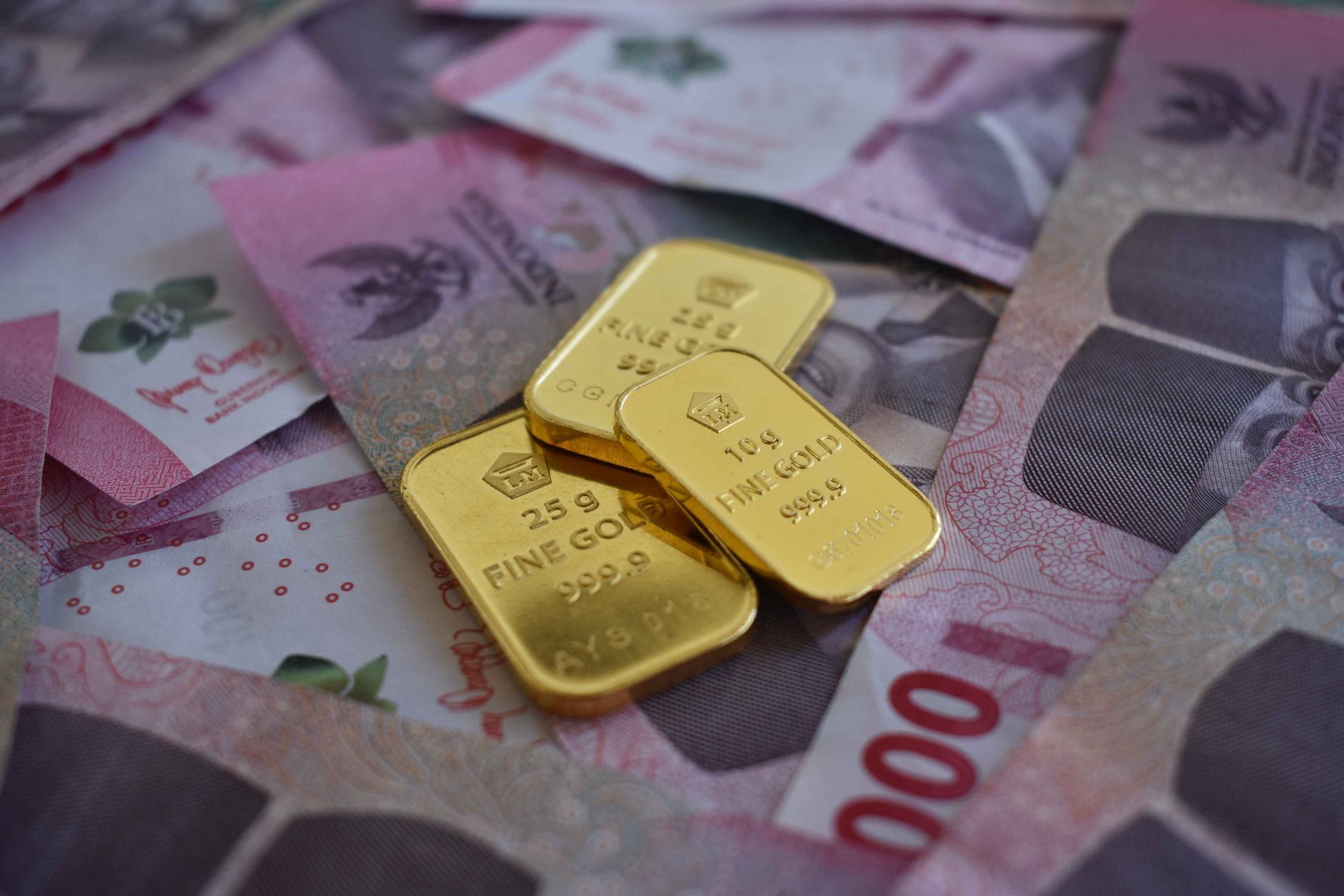
gold prices steady after a weekly slide, reflecting investor sentiment as weak jobs data eases Fed hike bets. This stability offers insights into market dynamics.
Understanding Gold Prices Steady
In recent weeks, the gold market has displayed a notable trend of stability, leading to a significant focus on the reasons behind the gold prices steady narrative. Various factors contribute to this current state, particularly after a series of fluctuations prompted by economic indicators.
The recent release of weak jobs data has played a crucial role in influencing market perceptions, particularly regarding the Federal Reserve’s interest rate policies. Investors are increasingly reassured that the likelihood of aggressive rate hikes is diminishing, which in turn supports the demand for gold as a safe-haven asset.
Additionally, several key elements are contributing to the steadiness of gold prices:
- Market Sentiment: Global uncertainty and geopolitical tensions encourage investors to turn to gold for stability.
- Inflation Concerns: Persistent inflation worries make gold an attractive hedge against currency devaluation.
- Supply Challenges: Ongoing supply chain issues continue to affect gold mining and production, limiting available quantities.
- Investor Behavior: A shift towards long-term investment strategies in the precious metals market is also evident.
As these factors continue to interplay, the outlook for gold remains cautiously optimistic, with many analysts predicting that the current stability may persist in the near future.
Impact of Jobs Data on Gold
The recent release of jobs data has played a significant role in influencing gold prices steady amid market fluctuations. Analysts observed that the weak jobs report has led to a cautious approach from investors, reducing the likelihood of aggressive interest rate hikes by the Federal Reserve.
This reaction comes as gold traditionally serves as a safe haven during economic uncertainty. With the labor market showing signs of strain, many investors are turning to gold as a stable asset to hedge against potential inflation and economic downturns.
Key points regarding the impact of jobs data on gold prices include:
- Weak Jobs Growth: The latest jobs data indicates slower-than-expected growth, which diminishes prospects for immediate monetary tightening.
- Investor Sentiment: A decline in hiring has led to increased demand for gold as a protective measure against economic instability.
- Market Reactions: Following the jobs report, gold prices have shown resilience, maintaining their value and reflecting a steady market despite previous declines.
- Future Outlook: Analysts suggest that as long as economic indicators remain weak, gold prices may continue to hold steady, attracting investors seeking security in a volatile market.
In summary, the interplay between jobs data and gold prices underscores the ongoing stability in the market, with many viewing gold as a reliable investment during uncertain times.
Market Reactions to Fed Decisions
Market reactions to recent Federal Reserve decisions have played a crucial role in influencing gold prices steady. Investors are closely monitoring these developments, as they can significantly impact the precious metal’s appeal as a safe-haven asset.
In the wake of weak jobs data, there has been a noticeable shift in market sentiment. Analysts suggest that the disappointing employment figures have reduced expectations for aggressive interest rate hikes by the Fed. This has led to a more stable environment for gold prices, allowing them to recover from previous declines.
Key factors contributing to the market’s current state include:
- Investor Sentiment: A sense of caution among investors has emerged, as uncertainty surrounding economic growth persists.
- Inflation Concerns: Continued worries about inflation may keep gold in demand, as it traditionally serves as a hedge against rising prices.
- Global Events: Ongoing geopolitical tensions and economic challenges further enhance gold’s status as a reliable investment.
As a result, while gold prices may exhibit fluctuations, the overall trend points towards a steadiness that reflects broader economic indicators. This stability is crucial for investors looking to navigate the complexities of today’s financial landscape.
Historical Trends in Gold Prices
Gold prices have shown remarkable resilience over the years, often reflecting broader economic conditions. Historical trends indicate that gold has typically served as a safe haven during periods of economic uncertainty. For instance, during the 2008 financial crisis, gold prices surged as investors sought stability amidst market volatility.
Over the past decade, fluctuations in gold prices have often coincided with significant geopolitical events and changes in monetary policy. A closer examination reveals:
- 2011 Surge: Gold prices reached an all-time high in 2011, driven by the Eurozone crisis and fears of inflation.
- Post-2016 Trends: Following the election of Donald Trump, gold prices experienced a steady increase, attributed to uncertainties surrounding trade policies and governance.
- COVID-19 Impact: The onset of the pandemic in 2020 led to unprecedented demand for gold, pushing prices to new heights as investors sought security.
In more recent times, gold prices have remained steady, reflecting a balance between inflation concerns and interest rate expectations. This stability has encouraged investors to view gold as a vital component of their portfolios, particularly in uncertain economic climates. Analysts suggest that with ongoing economic fluctuations, the trend of gold prices steady may continue as a preferred investment choice.
Future Outlook for Gold Investors
As gold prices steady following recent fluctuations, investors are keenly observing market trends to strategize their next moves. The current economic landscape presents both challenges and opportunities that could influence gold investments in the coming months.
Experts suggest that several factors will play a critical role in determining the future of gold prices:
- Inflation Rates: Should inflation remain persistent, gold could prove to be a reliable hedge, attracting more investors looking for stability.
- Central Bank Policies: Decisions made by central banks, particularly the Federal Reserve, will continue to impact gold prices. Any indication of interest rate hikes could lead to volatility in the market.
- Geopolitical Tensions: Ongoing global conflicts and uncertainties may drive safe-haven demand for gold, supporting prices even as economic conditions fluctuate.
- Emerging Markets Demand: Increased consumption from countries like India and China can significantly affect global demand for gold, thereby influencing prices.
Overall, while gold prices steady in the near term, investors should remain vigilant. By keeping an eye on these influencing factors, they can make informed decisions that align with their financial goals. The gold market may hold potential rewards for those willing to navigate its complexities.
In recent weeks, analysts have noted several factors contributing to gold prices steady, including geopolitical tensions and inflation concerns. As investors seek safety, these elements play a crucial role in keeping gold prices steady amidst market fluctuations.
By jurvetson via Openverse
Sources
Related stories
Is Local Claude Inference the Best Solution for India? · Joint Supplement Dementia: The Real Benefits and Risks · BJP Shiv Sena Clash: What Went Wrong in Ulhasnagar?




Leave a Reply