
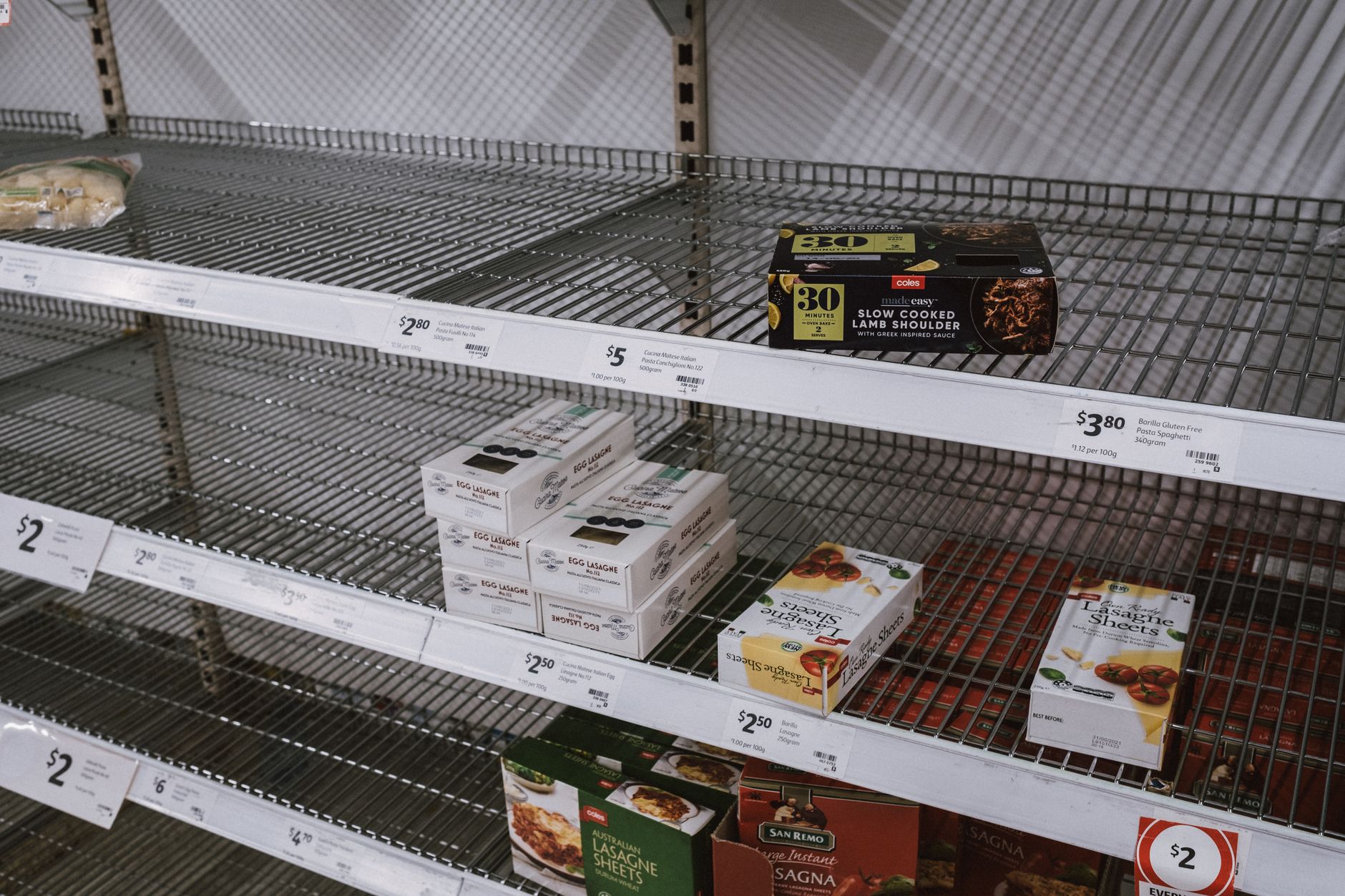
Poundland stock issues are at the forefront of retail news as the company struggles to acquire new inventory amidst growing fears of collapse.
Overview of Poundland’s Current Situation
Poundland is currently facing significant challenges as the retail chain grapples with severe stock issues, raising concerns about its long-term viability. Reports indicate that the company is unable to procure new stock, leaving many shelves empty and customers frustrated. This situation has prompted fears of a potential collapse, as the inability to replenish inventory undermines consumer confidence.
The ongoing stock issues are attributed to a combination of factors, including supply chain disruptions and rising operational costs. Many suppliers are hesitant to extend credit, leading to a further decline in available products. As a result, some Poundland stores have begun limiting purchases to ensure that more customers can access essential items.
Industry experts suggest that if these stock issues persist, Poundland may struggle to maintain its competitive edge in the discount retail market. The lack of diverse products could push loyal customers to seek alternatives, causing a further decline in sales.
In light of these developments, the company is reportedly exploring various options to stabilize its operations. This includes potential restructuring efforts and seeking additional financing. However, for now, the future of Poundland remains uncertain, as stock issues continue to plague the business and fears of collapse grow among stakeholders.
Impact of Stock Issues on Customers
The ongoing Poundland stock issues have begun to significantly affect customers, leading to rising concerns about the future of the discount retailer. Shoppers have reported empty shelves in various locations, creating a sense of uncertainty regarding the availability of essential items.
Many loyal customers are expressing their frustration, as the once-reliable store is becoming increasingly unreliable. Some have taken to social media to voice their disappointment, with comments such as:
- “I used to trust Poundland for all my household needs, but now it’s hit or miss.”
- “It’s disheartening to see so many shelves bare when I visit.”
- “I hope they can sort out their stock issues soon!”
As the discount retailer struggles to replenish its inventory, many shoppers are left seeking alternatives. This shift could have long-term consequences for Poundland, as customers may turn to competitors who are better stocked. The situation is particularly concerning for those who rely on the low prices that Poundland offers, especially in the current economic climate.
Industry experts warn that if these stock issues persist, it could lead to a decline in customer loyalty and trust, ultimately impacting the brand’s reputation. The hope remains that Poundland can navigate these challenges and restore its status as a go-to destination for budget-conscious shoppers.
What Experts Say About Poundland’s Future
Experts are voicing increasing concern over the future of Poundland as reports of ongoing stock issues continue to surface. Analysts suggest that the retail giant may face significant challenges if it cannot replenish its inventory in a timely manner.
According to retail market expert, Dr. Sarah Thompson, “The inability to buy new stock is a critical issue that could lead to a decline in customer trust and loyalty. If shoppers cannot find the products they need, they may look elsewhere.” This sentiment is echoed by others in the industry, who believe that the current situation might be a precursor to a larger crisis for the discount retailer.
Furthermore, some analysts predict that if Poundland’s stock issues persist, it could lead to potential store closures in certain regions. John Mitchell, a financial analyst, states, “Retailers like Poundland thrive on volume. Without sufficient stock, they cannot maintain sales, and that puts the entire business model at risk.”
Industry experts also highlight the importance of addressing supply chain disruptions. “Poundland needs to find solutions quickly to regain its footing in the market,” says Dr. Thompson. As the fears of collapse grow, many are left wondering if the discount chain can navigate these turbulent waters and emerge stronger or if it is destined for decline.
Poundland Stock Issues: Causes and Consequences
Poundland is currently facing significant stock issues, primarily due to a combination of supply chain disruptions and financial constraints. These challenges have been exacerbated by rising costs and inflation, which have hindered the retailer’s ability to procure new stock. As a result, many stores are experiencing empty shelves, leading to growing dissatisfaction among customers.
Several factors contribute to these stock issues:
- Supply Chain Disruptions: The ongoing effects of the pandemic have caused delays and shortages in the supply chain, impacting the availability of products.
- Financial Difficulties: Increased operating costs have strained Poundland’s finances, making it harder for the company to invest in new inventory.
- Market Competition: Competing retailers have also tightened their stock management, putting additional pressure on Poundland to maintain its market position.
The consequences of these stock issues are profound. Customers have begun to turn away from the brand, seeking alternatives that can reliably meet their shopping needs. Furthermore, the ongoing uncertainty raises concerns about the long-term viability of Poundland in a competitive retail landscape. Analysts warn that unless these stock issues are resolved promptly, the company’s market share could diminish significantly, leading to a potential collapse.
Retail Sector Reactions to Poundland’s Troubles
The retail sector is reacting strongly to the ongoing Poundland stock issues, with various stakeholders voicing their concerns about the discount retailer’s future. Many industry experts believe that the company’s inability to replenish its stock could lead to a significant decline in consumer trust and loyalty.
Retail analysts are closely monitoring the situation, as several factors contribute to the growing fears of a collapse. According to a recent study, more than 50% of surveyed customers indicated they would reconsider shopping at Poundland if stock shortages persist. This sentiment is echoed by competitors who are keenly aware of the potential market shift that could occur should Poundland’s troubles deepen.
In light of these challenges, some retailers are seizing the opportunity to attract disenchanted Poundland customers. Discount chains, in particular, are ramping up their marketing efforts to highlight the reliability of their stock availability. This strategic move could further exacerbate Poundland’s difficulties, as consumers may flock to competitors seeking a more dependable shopping experience.
Additionally, suppliers are expressing concern over the retailer’s ability to place new orders. Many are hesitant to extend credit to Poundland, fearing that ongoing stock issues may jeopardize their own businesses. As the situation unfolds, the retail community remains on high alert, hoping for a resolution that can stabilize the market and restore confidence in one of the UK’s most recognizable discount brands.
Alternatives for Shoppers During Stock Shortages
As Poundland grapples with significant stock issues, shoppers may find themselves facing empty shelves and limited options. However, there are several alternatives that consumers can explore during these shortages.
Many shoppers are turning to local discount stores. These establishments often provide a variety of low-cost goods, similar to what Poundland offers. Customers can discover:
- Independent Discount Retailers: Many small retailers are stepping up to fill the void left by larger chains. They may offer unique products at competitive prices.
- Online Shopping Platforms: Websites such as eBay and Amazon have become popular for budget-conscious consumers looking for deals. Shoppers can often find bulk items or discounted goods that would typically be available at Poundland.
- Charity Shops: These shops not only provide an opportunity to find bargains but also support local charities. Shoppers can often find household items, clothing, and more at reduced prices.
Additionally, supermarkets have been increasing their discount sections to capture price-sensitive consumers. Many are offering promotions that rival the prices found at Poundland, making them viable options during this period of stock issues.
While the uncertainty surrounding Poundland continues, shoppers have a range of alternatives to ensure they can still find the products they need without breaking the bank.
Government Response to Retail Challenges
The ongoing stock issues at Poundland have drawn significant attention from government officials, who are increasingly concerned about the broader implications for the retail sector. As Poundland struggles to maintain its inventory levels, the government is evaluating potential measures to support retailers facing similar challenges.
Officials have acknowledged the detrimental impact of stock shortages on both consumers and the economy. In response, the government is exploring options to enhance supply chain resilience, which includes:
- Financial Aid: Potential subsidies for retailers to help manage operational costs during turbulent times.
- Logistical Support: Assistance in streamlining supply chain processes to ensure quicker restocking of essential goods.
- Policy Review: A reassessment of existing regulations that may hinder retailers from effectively managing their stock.
Moreover, the government is engaging with industry leaders and stakeholders to gain insights into the challenges faced by retailers like Poundland. By fostering dialogue, officials hope to develop a comprehensive strategy that addresses the root causes of stock issues across the retail landscape.
As fears of a collapse at Poundland intensify, the government’s proactive engagement reflects a commitment to supporting the retail sector. This response aims not only to assist Poundland but also to safeguard the broader economy from the repercussions of retail failures.
Lessons from Poundland’s Stock Crisis
The ongoing Poundland stock issues have illuminated significant lessons that can be drawn for both consumers and retailers alike. As the crisis unfolds, it becomes clear that reliance on a single supplier or a narrow range of products can leave a store vulnerable in times of economic uncertainty. Retailers must diversify their supply chains to mitigate risks associated with stock shortages.
Furthermore, transparency with customers is essential during challenging times. When shoppers face empty shelves, they often feel frustrated and disconnected from the brand. Communication about stock challenges can help maintain customer loyalty, even in difficult circumstances. Retailers should consider utilizing social media and other channels to keep customers informed about stock availability and expected restocks.
Another key lesson is the significance of financial resilience. Companies like Poundland that operate on thin margins may find it especially challenging to navigate crises. Building a financial buffer can better prepare retailers to weather unexpected disruptions in supply.
Lastly, the crisis has highlighted the importance of adaptability. Retailers need to be prepared to adjust their business models, whether through online sales or in-store experiences, to meet changing consumer demands. The lessons learned from Poundland’s stock crisis may serve as a wake-up call for the entire retail sector, encouraging a more robust and flexible approach to inventory management and customer engagement.
The recent Poundland stock issues have raised alarm among investors and customers alike. As concerns mount, many are questioning the future sustainability of the brand amidst these troubling Poundland stock issues.
Photo by Kate Trifo on Pexels




Leave a Reply