
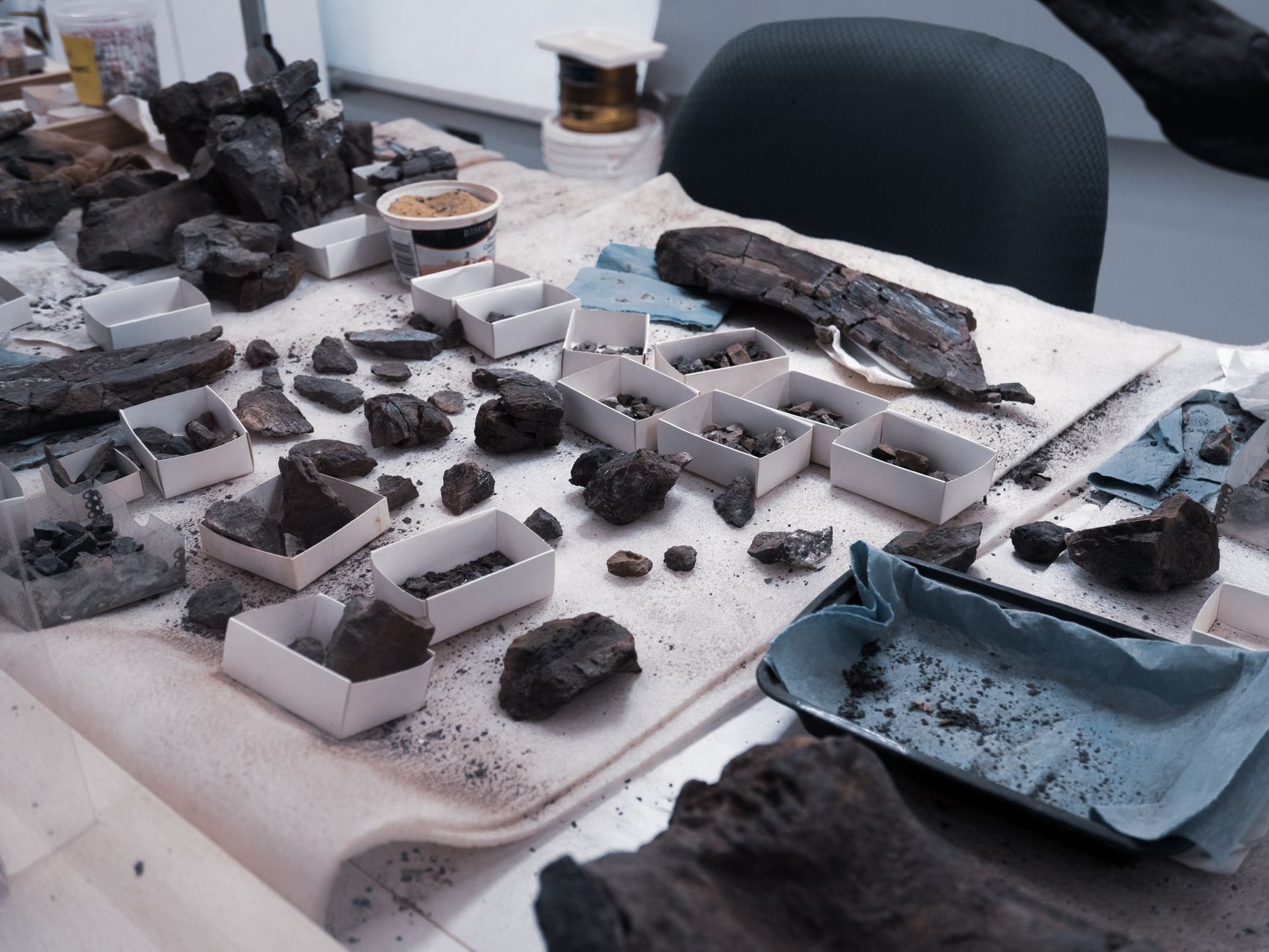
Denisovan fossils tools have been uncovered in China, providing new insights into the lives of ancient humans. This discovery highlights the significance of Denisovans in our understanding of human evolution.
The Significance of Denisovan Fossils
The recent discovery of Denisovan fossils in China has opened up new avenues for understanding the capabilities of this ancient human relative. These fossils, along with possible tools found at the site, suggest a complex set of skills and behaviors that have yet to be fully explored. The significance of these findings is multifaceted, shedding light not only on the Denisovans themselves but also on the broader narrative of human evolution.
Denisovans are known to have lived alongside other hominins, including Neanderthals and early modern humans, and their tools provide a glimpse into their daily lives and adaptability. The artifacts uncovered alongside the fossils indicate that these ancient people may have had a sophisticated understanding of their environment.
- Tool Use: The discovery of tools associated with Denisovan fossils suggests that they were capable of creating and utilizing implements, challenging previous assumptions about their technological skills.
- Cultural Insights: The presence of these tools may indicate social structures and cultural practices that have yet to be fully understood.
- Evolutionary Implications: These findings can reshape our understanding of the interactions and migrations of ancient human species across Asia.
As researchers continue to analyze these Denisovan fossils and tools, we may uncover even more about the lives and legacies of these enigmatic beings.
Recent Archaeological Discoveries in China
Recent archaeological discoveries in China have unveiled remarkable Denisovan fossils that suggest the existence of sophisticated tools used by these ancient hominins. Excavations in the region have revealed a trove of artifacts that not only highlight the ingenuity of the Denisovans but also provide insight into their daily lives and survival strategies.
Among the findings are:
- Stone Tools: Sharp blades and scrapers made from local materials, indicating advanced crafting techniques.
- Bone Implements: Tools fashioned from animal bones, suggesting a diverse range of uses, including hunting and processing food.
- Shell Engravings: Ornate designs that hint at possible symbolic or decorative practices.
These discoveries are significant not only for understanding Denisovan culture but also for the broader context of human evolution. The presence of such tools implies that the Denisovans may have had a more complex social structure and a deeper cognitive ability than previously thought. Furthermore, this evidence contributes to the ongoing dialogue about the interactions between Denisovans and other hominin species, such as Neanderthals and early modern humans.
As research continues, the implications of these Denisovan fossils and tools will further illuminate the rich tapestry of human ancestry, offering a glimpse into the skills and adaptations that allowed these ancient people to thrive in their environments.
What the Tools Reveal About Denisovans
The recent discoveries of Denisovan fossils and potential tools in China have opened new avenues for understanding the capabilities and lifestyle of these ancient hominins. The tools, which include stone artifacts, suggest that Denisovans had a sophisticated level of craftsmanship.
Researchers have identified several key aspects about the tools that shed light on the daily lives of Denisovans:
- Complexity of Design: The tools exhibit intricate designs that indicate advanced cognitive abilities, suggesting that Denisovans were capable of planning and innovation.
- Materials Used: The choice of materials for tool-making points to a knowledge of local resources, as well as an understanding of which materials were most effective for specific tasks.
- Functional Variety: The range of tools discovered indicates that Denisovans engaged in various activities, from hunting to gathering, reflecting a versatile lifestyle.
- Comparison with Neanderthals: The similarities and differences between Denisovan tools and those created by Neanderthals further our understanding of the technological evolution of hominins.
Overall, these Denisovan fossils and tools not only highlight the skill set of these ancient peoples but also invite further exploration into their social structures and interactions with their environment.
Understanding Human Evolution Through Fossils
Understanding human evolution has always been a complex endeavor, but the discovery of Denisovan fossils in China has opened new avenues for research. These ancient remains not only provide insight into the physical characteristics of the Denisovans, but they also shed light on their behaviors and interactions with the environment.
Recent findings have indicated that Denisovans were skilled toolmakers, as evidenced by the artifacts discovered alongside their fossils. The tools unearthed are believed to be crafted for specific purposes, showcasing a level of sophistication previously unrecognized in this ancient group. The implications of these tools suggest that Denisovans may have had a deeper understanding of their surroundings than previously thought.
Researchers are now focusing on various aspects of these Denisovan fossils and the associated tools, seeking to piece together a more comprehensive picture of their daily lives. Some key points of interest include:
- Tool-making techniques: Investigating how these tools were made and used.
- Diet and subsistence: Understanding what resources they utilized in their environment.
- Social structures: Exploring potential social dynamics based on the production and use of tools.
Through these studies, scientists hope to fill in the gaps in our understanding of Denisovan life and their role in the broader narrative of human evolution.
The Impact of This Discovery on Archaeology
The recent discovery of Denisovan fossils and their associated tools in China marks a significant advancement in the field of archaeology. This finding not only sheds light on the lives of the Denisovans but also challenges existing narratives about human evolution.
Archaeologists are now reevaluating the technological capabilities of ancient hominins. The tools linked to the Denisovan fossils exhibit a level of sophistication that suggests advanced cognitive abilities and a greater understanding of their environment than previously assumed. This revelation has implications for our understanding of tool-making practices among early humans.
Additionally, the discovery raises questions about the interactions between Denisovans, Neanderthals, and early modern humans. It suggests a potential exchange of knowledge and skills among these groups, proposing a more complex picture of prehistoric life. This interconnectedness implies that the cultural and technological developments were not isolated events but rather a shared evolution among different hominin species.
Moreover, these findings can help refine the dating of other archaeological sites, as researchers can now draw parallels between tools and fossils found in various locations. The impact on archaeology is profound, as it encourages a reexamination of existing collections and highlights the need for further exploration in regions where Denisovan fossils and tools may still be uncovered.
Ancient Tools: A Window into the Past
The recent discovery of Denisovan fossils and their associated tools provides a fascinating glimpse into the lives of these ancient hominins. Archaeologists in China have uncovered an array of stone tools that are believed to have been created and used by the Denisovans, further enriching our understanding of their capabilities and culture.
Among the artifacts found, researchers identified tools that exhibit remarkable craftsmanship, showcasing the advanced skills of the Denisovans. These tools were likely used for various purposes, including:
- Hunting: Some tools feature sharp edges ideal for butchering animals.
- Gathering: Others may have been used for processing plant materials.
- Crafting: Certain artifacts suggest a level of sophistication in tool-making that was previously underestimated.
What makes these Denisovan fossils and tools particularly intriguing is their age, which dates back tens of thousands of years. This timeframe places them alongside other significant human ancestors, providing critical context in the narrative of human evolution. The tools serve not only as functional items but also as cultural artifacts that reflect the ingenuity and adaptability of the Denisovans.
By studying these ancient tools, researchers hope to unlock more secrets about the Denisovans, their environment, and their interactions with other hominin species, deepening our understanding of human history.
Future Research Directions on Denisovans
As researchers continue to explore the implications of Denisovan fossils and their associated tools, several future research directions are emerging that promise to deepen our understanding of this enigmatic group of ancient humans. Scientists are particularly interested in the following areas:
- Advanced Dating Techniques: Employing cutting-edge dating methods will help establish a more accurate timeline for Denisovan habitation and tool usage in various regions.
- Comparative Analysis: Comparing Denisovan tools with those of other hominins, such as Neanderthals and early modern humans, can shed light on technological innovations and cultural exchanges.
- Genetic Studies: Analyzing the DNA extracted from Denisovan fossils may reveal insights into their adaptability and interactions with neighboring human populations.
- Tool Functionality: Experimental archaeology can be used to recreate the tools attributed to Denisovans, allowing researchers to test their effectiveness and understand their intended purposes.
- Environmental Context: Investigating the ecological conditions of the regions where Denisovan fossils and tools are found will help clarify how these factors influenced their lifestyle and survival strategies.
In summary, ongoing investigations into Denisovan fossils and their tools are set to transform our understanding of human evolution and the technological capabilities of ancient hominins. The discoveries in China represent just the beginning of a larger exploration into the lives of Denisovans.
How Fossils Change Our Perception of History
The discovery of Denisovan fossils and their associated tools in China has significantly altered our understanding of prehistoric human life. These findings challenge previously held beliefs about human evolution and migration patterns. As researchers analyze these ancient remains, they uncover a more complex narrative of human ancestry that includes these enigmatic hominins.
Fossils provide critical insights into the capabilities and lifestyles of our ancient relatives. With the identification of tools linked to the Denisovans, scientists are beginning to piece together how these early humans interacted with their environment. The tools suggest a level of sophistication and adaptability that was previously underestimated.
One of the most remarkable aspects of these discoveries is the potential for Denisovan fossils to reshape our perception of technological development among early human species. The tools found alongside the fossils indicate not only practical uses but also the possibility of cultural practices among the Denisovans.
As more fossils and tools are uncovered, the timeline of human evolution becomes increasingly intricate. Understanding the role of Denisovans in this timeline not only enriches our knowledge but also highlights the interconnectedness of various hominin species. Future research will undoubtedly refine our view of this period, revealing even more about how Denisovans lived, thrived, and contributed to the human story.
The discovery of Denisovan fossils tools in China has provided researchers with new insights into the technological capabilities of these ancient hominins. As more Denisovan fossils tools are unearthed, they could reshape our understanding of human evolution in the region.
Photo by Yena Kwon on Pexels

Leave a Reply