
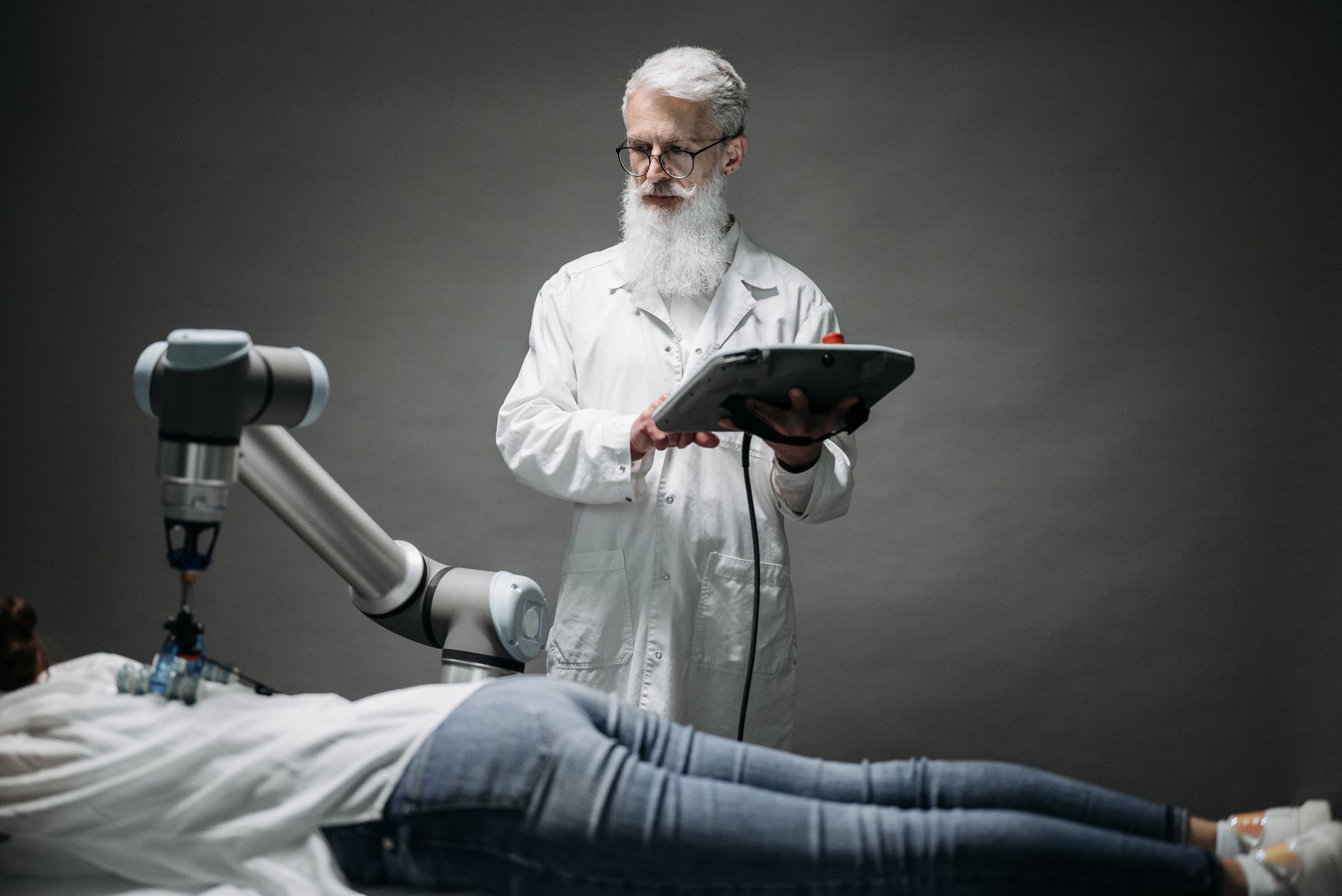
artificial intelligence in medicine is becoming increasingly relevant, especially among medical students in Iran. This study explores their preferences and insights into AI usage.
Understanding AI in Medicine
Artificial intelligence in medicine is rapidly transforming healthcare practices, offering innovative solutions that enhance patient outcomes and streamline processes. In Iran, a recent cross-sectional study has shed light on the preferences and perceptions of medical students regarding the integration of AI technologies in their future practices.
The study highlights several key factors influencing students’ attitudes towards artificial intelligence:
- Awareness: Many students recognize the potential of AI to improve diagnostic accuracy and treatment efficiency.
- Education: The integration of AI-related curricula in medical education is seen as essential for preparing future healthcare professionals.
- Concerns: Ethical implications and the reliability of AI systems remain significant concerns among students.
As medical institutions in Iran embrace these technologies, understanding the perspectives of upcoming professionals is crucial for fostering a positive attitude towards artificial intelligence in medicine.
The Study’s Methodology
The study employed a cross-sectional design to explore the usage preferences of artificial intelligence in medicine among medical students in Iran. A total of 300 students from various medical schools were randomly selected to participate in the survey. Data collection was conducted through a structured questionnaire designed to assess students’ awareness, attitudes, and acceptance of AI technologies in their education and future practice.
Participants were asked a series of questions that included:
- Knowledge of AI applications in clinical settings
- Perceived benefits of integrating AI into medical training
- Concerns regarding ethical implications and patient privacy
Responses were analyzed using statistical software to identify trends and correlations among the participants’ demographics and their views on artificial intelligence in medicine. This methodological approach ensured a comprehensive understanding of the current landscape and the potential for AI integration in medical education within Iran.
Key Findings on AI Preferences
In the recent study exploring artificial intelligence in medicine among medical students in Iran, several key findings emerged regarding their preferences and perceptions. The research highlighted that a significant majority of students believe that AI can greatly enhance diagnostic accuracy and patient outcomes.
Participants expressed a strong interest in integrating AI tools within their future medical practices. The most preferred applications of artificial intelligence included:
- Diagnostic Assistance: Many students favored AI systems that can aid in diagnosing conditions more efficiently.
- Predictive Analytics: There was a notable interest in AI’s ability to predict patient outcomes based on historical data.
- Personalized Medicine: Students recognized the potential of AI to tailor treatments to individual patient needs.
Overall, these insights underline the growing enthusiasm for artificial intelligence in medicine and its potential to transform healthcare practices in Iran.
Implications for Medical Education
The integration of artificial intelligence in medicine is reshaping the landscape of medical education. As future healthcare providers, medical students must be equipped with the knowledge and skills to utilize AI technologies effectively. This study highlights several implications for medical education in Iran:
- Curriculum Development: Incorporating AI-related content into the curriculum is essential. Students should learn about AI applications, ethical considerations, and data analysis.
- Interdisciplinary Collaboration: Collaboration between medical and engineering faculties can enhance understanding and innovation in AI technologies.
- Practical Training: Hands-on experiences with AI tools can prepare students for real-world applications, improving their confidence and competence.
- Continuous Learning: As AI technology evolves, ongoing education and training will be necessary to keep healthcare professionals updated on the latest advancements.
By addressing these areas, medical education can better prepare students for a future where artificial intelligence plays a pivotal role in patient care.
Photo by Pavel Danilyuk on Pexels





Leave a Reply