
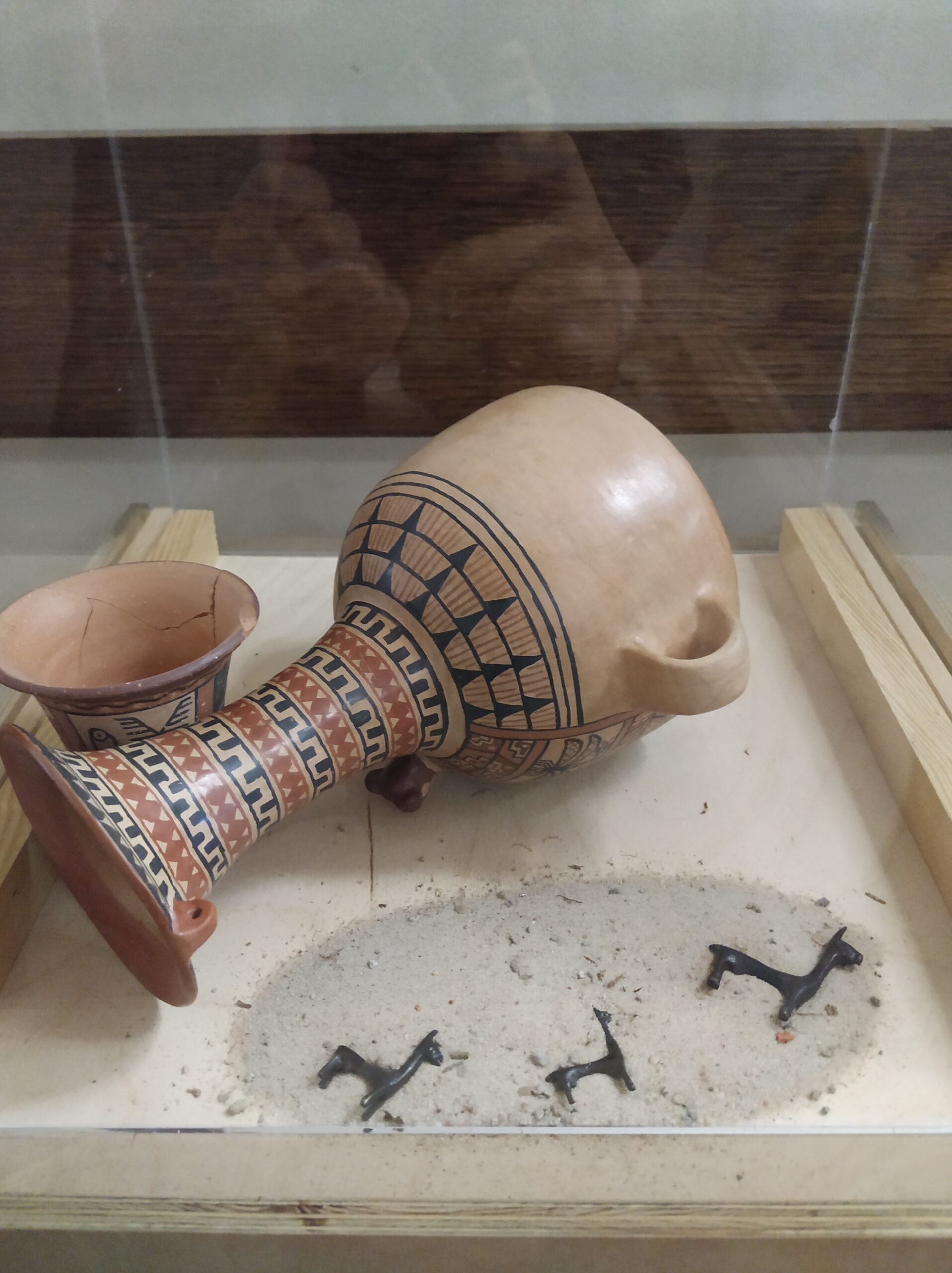
Inca llamas burial has uncovered shocking practices of the ancient civilization. Recent findings suggest that these animals were adorned and then buried alive, raising questions about the Inca’s ritualistic behaviors.
The Inca Civilization Explained
The Inca civilization, one of the most remarkable empires in pre-Columbian America, thrived in the Andean region of South America from the early 15th century until the Spanish conquest in the 16th century. Known for their advanced agricultural techniques, impressive architectural feats, and unique social structure, the Incas ruled over a vast territory that included parts of modern-day Peru, Bolivia, Ecuador, and Chile.
Central to Inca culture was the llama, a domesticated animal used for transportation, wool, and as a source of meat. The significance of llamas extended beyond their practical uses; they were also integral to religious and cultural practices. Archaeological findings suggest that Inca llamas burial rituals were a common practice, often involving elaborate ceremonies.
- Spiritual Beliefs: Llamas were considered offerings to the gods.
- Ritual Significance: Decorations like tassels and face paint were used.
- Cultural Importance: The animals played a vital role in Inca society.
These practices reflect the deep relationship the Incas had with their environment and the animals they revered.
Llamas in Inca Culture
The significance of llamas in Inca culture cannot be overstated. These animals were not only crucial for transportation and agriculture but also held a sacred place in religious practices. Llamas were often associated with fertility and prosperity, making their role in society multifaceted.
Inca llamas burial rituals frequently reflected their importance. The Incas believed that these animals accompanied them into the afterlife, serving as guides and protectors. The use of llamas in ceremonies was common, and they were often adorned with tassels and face paint to signify their elevated status.
The shocking truth behind Inca llamas burial suggests that some llamas may have been buried alive during specific rituals. This practice was thought to ensure a successful transition to the afterlife and to appease the gods. While this may seem brutal by modern standards, it highlights the deep spiritual beliefs the Incas held regarding these animals and their significance in the cosmos.
- Llamas as transport animals
- Symbol of fertility and prosperity
- Ritual significance in Inca society
Rituals and Sacrifices
The rituals surrounding the Inca llamas burial reveal a complex interplay between reverence and sacrifice in Inca culture. These ceremonies were not merely practical but deeply symbolic, reflecting the Inca’s beliefs about life, death, and the afterlife.
In preparation for these burials, llamas were often adorned with vibrant tassels and elaborate face paint, signifying their importance within the community. The animals were considered sacred, serving both as pack animals and as offerings to the gods.
During certain ceremonies, llamas were selected for sacrificial rites. The act of burying them alive was interpreted as a means to appease deities, ensuring favorable conditions for crops and the overall well-being of society. This practice also demonstrated the Incas’ deep respect for these animals, who were believed to carry messages to the gods.
The intricacies of these rituals highlight the Inca civilization’s profound connection to both their environment and the spiritual world, illustrating the enduring legacy of their cultural practices.
Recent Archaeological Discoveries
Recent archaeological discoveries have shed light on the shocking practices surrounding Inca llamas burial. Excavations in the Andes region have revealed evidence suggesting that these animals were not only revered but also subjected to elaborate burial rituals.
Archaeologists uncovered remains of llamas adorned with intricate tassels and vibrant face paint, indicating their significance in Inca society. The presence of ceremonial items alongside the remains suggests a belief in an afterlife for these creatures, paralleling the treatment of human sacrifices during various rituals.
Some sites have pointed to a troubling possibility: that llamas may have been buried alive as part of these rituals. This finding challenges previous assumptions about the Inca’s relationship with these animals, unveiling a complex cultural narrative that intertwines reverence, sacrifice, and the spiritual role of llamas in their civilization.
- Excavations reveal llamas adorned with decorations.
- Evidence suggests possible live burials during rituals.
- New insights into the Inca’s cultural practices emerge.
Cultural Significance of Llamas
The cultural significance of llamas in the Inca civilization cannot be overstated. These animals were not only vital for transportation and agriculture but also held deep spiritual meaning.
Inca llamas were often regarded as sacred beings, representing a connection between the earthly realm and the divine. Their wool was used to create high-quality textiles, while their meat served as an important food source. The llamas also played a crucial role in religious rituals, where they were sometimes adorned with tassels and face paint to signify their importance.
However, the practice of Inca llamas burial raises questions about the lengths to which the Incas went to honor these creatures. Archaeological evidence suggests that llamas were often included in elaborate ceremonies, and their burial may have been a way to appease the gods or ensure fertility and prosperity for the community.
In this context, the treatment of llamas reflects the Inca’s complex relationship with nature and the spiritual world, emphasizing the animals’ significance beyond mere utility.
The Shocking Burial Practices
The Inca civilization is renowned for its intricate burial practices, particularly concerning their revered llamas. These animals were not only vital for transport and agriculture but also held spiritual significance. One of the most shocking aspects of Inca llamas burial involves the ritualistic treatment they received before their deaths.
- Decorative Attire: Llamas were often adorned with vibrant tassels and intricate face paint, signifying their importance in Inca society.
- Ritualistic Sacrifices: Evidence suggests that these llamas were likely buried alive as part of a ceremonial practice, believed to appease deities or accompany important figures in the afterlife.
- Archaeological Findings: Recent discoveries have revealed burial sites where llamas were found alongside artifacts, illuminating the profound respect and ritualistic significance attributed to them.
These shocking burial practices highlight the complex relationship between the Inca people and their llamas, revealing a blend of reverence, utility, and ritual that defined their culture.
What This Means for Understanding the Incas
The recent revelations regarding Inca llamas burial practices provide a profound insight into the complexities of Inca beliefs and their relationship with these animals. Understanding how the Incas honored llamas highlights the intricate rituals that defined their civilization.
These findings suggest that llamas were not merely beasts of burden; they held a significant place in the spiritual and cultural fabric of Inca society. By adorning llamas with tassels and face paint before their burial, the Incas demonstrated a deep reverence for these creatures, viewing them as crucial participants in their rituals.
This practice raises important questions about the Inca’s understanding of life, death, and the afterlife. It appears that the Incas believed that llamas could accompany their owners beyond the mortal realm, reflecting a worldview where animals played essential roles in the journey to the next life. Such insights not only enrich our comprehension of Inca civilization but also emphasize the importance of animals in ancient cultures, revealing a bond that transcends the physical world.
The Inca llamas burial practices reveal a complex relationship between the Andean people and these animals. Scholars have uncovered evidence that suggests the Inca llamas burial was not just a ritualistic act, but also a means of honoring their significance in society.
By Lamminiaz via Openverse



Leave a Reply