
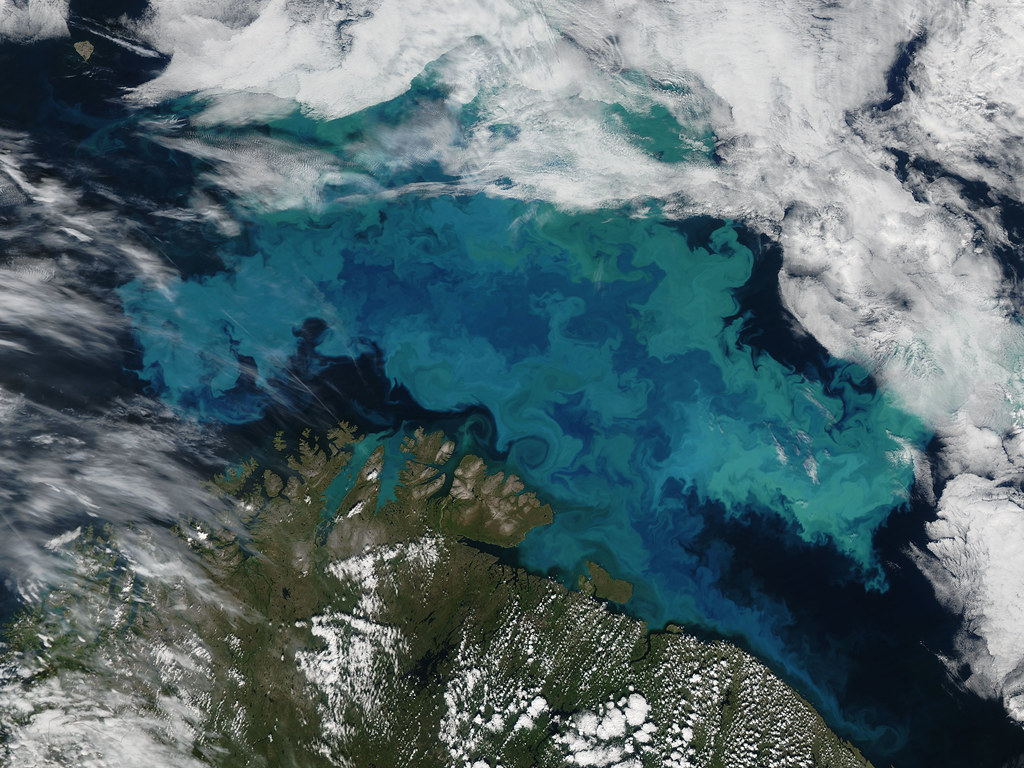
species abundance variability is a critical issue in ecology. Recent studies reveal how fluctuating environments can lead to substantial changes in species populations across various locations.
Understanding Species Abundance
Understanding species abundance variability is crucial for ecologists and conservationists alike. Species abundance refers to the number of individuals of a particular species within a given area, and its variability can provide valuable insights into ecosystem health and resilience. Multiple factors contribute to the fluctuations in species abundance across different locations.
One significant factor is the environmental variability that species encounter. This includes changes in temperature, precipitation, and the availability of resources. These changes can create stressful conditions for some species, leading to declines in their populations, while others may thrive in the same circumstances.
Additionally, human activities, such as land-use changes and pollution, have been shown to impact species abundance significantly. The introduction of invasive species can also alter the dynamics of native populations, further contributing to variability.
Another important aspect is biological interactions. Predation, competition, and mutualism among species can lead to variations in abundance, as shifts in one species can cascade through the food web, affecting others. The interplay of these factors highlights the complexity of ecosystems and the need for ongoing research.
Ultimately, understanding species abundance variability is essential for developing effective conservation strategies and ensuring the sustainability of ecosystems in the face of changing environmental conditions.
The Impact of Environmental Changes
The relationship between environmental changes and species abundance variability is increasingly evident in ecological studies. As ecosystems are subjected to fluctuating conditions, such as temperature shifts, precipitation patterns, and habitat alterations, the resulting effects can significantly impact local biodiversity.
One major factor driving this variability is climate change. Rising global temperatures have been linked to alterations in species distribution, leading to shifts in population dynamics. Additionally, extreme weather events, such as hurricanes or droughts, can drastically reduce the abundance of certain species, while enabling others to thrive in newly available niches.
Furthermore, human activities, including deforestation and urbanization, have transformed habitats and disrupted natural ecosystems. This disruption often leads to a decline in native species, while invasive species can exploit the new conditions, leading to increased variability in abundance.
Another contributing aspect is the availability of resources. Nutrient availability, food sources, and water supply are critical for species survival. Changes in these resources, whether due to natural variability or human intervention, can create significant fluctuations in species populations.
In summary, the impact of environmental changes on species abundance variability underscores the complex interactions within ecosystems. Understanding these dynamics is crucial for conservation efforts and for predicting future shifts in biodiversity.
Key Factors Influencing Variability
Species abundance variability is influenced by a multitude of factors that interact in complex ways. Understanding these key drivers is essential for predicting ecological changes and managing biodiversity effectively. Below are some of the primary factors influencing this variability:
- Climate Change: Shifts in temperature and precipitation patterns can alter habitats, impacting species’ survival and reproduction rates.
- Habitat Destruction: Urbanization, deforestation, and agriculture can lead to a reduction in available habitats, causing populations to decline or relocate.
- Invasive Species: The introduction of non-native species can disrupt local ecosystems, leading to changes in the abundance of native species.
- Resource Availability: Fluctuations in food and water supply can create boom and bust cycles in species populations, affecting overall abundance.
- Pollution: Contaminants can impact species health and reproductive success, leading to declines in abundance in sensitive areas.
- Human Interventions: Conservation efforts, such as habitat restoration and species reintroduction programs, can also play a critical role in stabilizing or increasing species abundance.
Each of these factors contributes to the dynamic nature of ecosystems, highlighting the importance of ongoing research to monitor and understand species abundance variability in the face of changing environmental conditions.
Case Studies from Different Locations
Case studies from various locations highlight the impact of environmental factors on species abundance variability. In the Amazon rainforest, researchers observed that seasonal flooding significantly altered the abundance of certain fish species. The fluctuating water levels not only affected the availability of food but also influenced breeding patterns. As a result, some species thrived, while others faced drastic declines.
Similarly, in the Arctic region, warming temperatures have led to a shift in marine species distributions. A study conducted in the Bering Sea showed that as ice cover diminished, species such as cod and pollock expanded their ranges northward. This change in species abundance variability resulted in increased competition for resources among the native species, highlighting the profound effects of climate change.
In urban environments, such as New York City, studies have demonstrated how green spaces contribute to species abundance variability. Pollinator populations, including bees, have shown to increase in areas with more vegetation. Urban gardens and parks provide essential habitats and food sources, leading to higher biodiversity compared to more concrete-dominated areas.
These examples illustrate that species abundance variability is not merely a theoretical concept but a measurable phenomenon influenced by diverse environmental factors. Understanding these case studies allows scientists to better predict future changes in ecosystems and develop strategies for conservation.
Future Implications for Biodiversity
The ongoing research into species abundance variability highlights the increasing importance of understanding how changes in environmental conditions can affect biodiversity. As climate change accelerates and habitats are altered, the future implications for biodiversity are significant and multifaceted.
One major concern is the potential for local extinctions, particularly among species that are less adaptable to rapid environmental shifts. As habitats become more fragmented, the ability of species to migrate and establish new populations is compromised, threatening overall ecosystem resilience.
Furthermore, shifts in species abundance can disrupt ecological balance, leading to unforeseen consequences such as altered food webs and increased competition for resources. The loss of keystone species can have cascading effects throughout the ecosystem, making it crucial for conservation efforts to focus on maintaining a diverse array of species.
Additionally, understanding the factors driving species abundance variability can inform management strategies. By identifying regions that are particularly vulnerable to change, conservationists can prioritize these areas for protection and restoration efforts.
In summary, the future of biodiversity hinges on our ability to comprehend and respond to the factors influencing species abundance variability. Continued research and proactive measures will be essential to safeguard ecosystems and preserve the rich tapestry of life on our planet.
By NASA Goddard Photo and Video via Openverse
Where this came from
Related stories
NCDEX equity benchmarks: Best Proven Strategies for Growth · AI Teacherless School: The Smart Way to Learn Quickly · Nestlé India leadership changes: Smart Proven Strategies Ahead

Leave a Reply